Description
Sowing dates
Triticale seeding timing is highly dependent on the variety type, with winter varieties usually planted in the fall to ensure proper establishment before dormancy. Winter hardiness is a key feature that allows for successful overwintering in various temperate climates.
Seed depth should generally range from 3 to 5 centimeters. Proper placement ensures good soil contact, which is vital for germination, especially in drier climates where moisture availability in the topsoil is limited.
Seeding rates vary significantly based on seed size and the intended end-use of the crop. For grain production, sowing rates typically range between 120 and 160 kg/ha to achieve the target plant population for optimal tillering.
If the crop is intended for high-quality silage or green forage, growers often increase the seeding rate by 20–30%. This practice encourages a denser stand, which enhances the total biomass yield per hectare.
Post-sowing field management, such as rolling, can improve emergence uniformity. Maintaining soil moisture during the critical germination phase is essential for establishing a robust crop stand capable of withstanding early-season stress.
Growing requirements
Triticale is a human-made hybrid resulting from a cross between wheat (Triticum) and rye (Secale). It belongs to the Poaceae family and is prized for its ability to produce high yields under marginal soil conditions.
One of the primary advantages of Triticale is its tolerance to soil acidity and aluminum toxicity. This makes it an ideal choice for farmers managing soils that would otherwise be unsuitable for high-performance wheat varieties.
Climate requirements for Triticale are broad; it thrives in temperate regions with moderate moisture. It exhibits excellent cold tolerance, making it a reliable choice for regions where winter wheat may suffer from frost damage.
Soil fertility management is crucial for maximizing performance. Triticale responds well to nitrogen applications, which help boost protein content in the grain and increase overall vegetative mass for forage use.
While relatively drought-tolerant, Triticale requires adequate moisture during the stem elongation and flowering stages. Proper water management during these phenological periods is the most significant factor in achieving high grain fill and quality.
Yield
Yield potential of Triticale is generally comparable to, or in some cases higher than, that of winter wheat. Under favorable management conditions, grain yields can reach 6 to 9 tonnes per hectare depending on the local environment.
The crop's productivity is driven by its excellent tillering capacity and large, well-filled heads. Efficient nutrient uptake throughout the growth cycle allows the plant to convert resources into high-quality grain and biomass effectively.
Varietal selection plays a significant role in determining final yields. Modern breeding programs focus on increasing grain density and standability to ensure that the yield potential is fully realized at harvest time.
Forage yield is another major metric for Triticale, often reaching 15–20 tonnes of dry matter per hectare. This versatility makes it an excellent choice for integrated livestock-cropping operations.
Consistent performance across different soil types acts as an insurance policy for farmers. By utilizing Triticale, producers can maintain stable production levels even in seasons when traditional wheat crops might face significant yield penalties.
Main diseases and pests
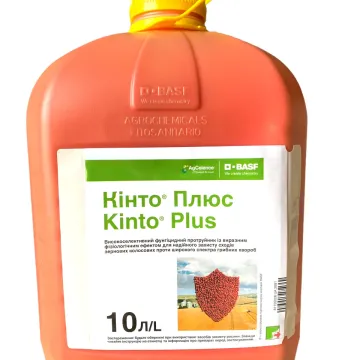
Triticale is susceptible to several common cereal diseases, including Fusarium head blight, which can severely impact grain quality and safety. Fungicide application is often necessary during the anthesis stage to prevent fungal development.
Leaf rust and powdery mildew are prevalent in many growing regions. Monitoring these threats early in the season is vital for deploying timely control measures, such as foliar fungicide treatments, to protect photosynthetic tissue.
Pests like aphids and wheat bulb fly can damage the crop by feeding on stems or transmitting viral diseases. Integrated pest management strategies, including monitoring and biological control, help maintain insect populations below economic thresholds.
Root rots remain a concern in fields with high moisture or poor drainage. Proper rotation schedules are essential to break the infection cycle of soil-borne pathogens that might otherwise thrive in continuous cereal cropping.
Seed treatment serves as the first line of defense against early-season fungal infections and soil-borne insects. Ensuring the use of certified, clean seed significantly reduces the risk of crop failure due to disease pressure.
Harvesting
Harvesting Triticale requires careful timing to ensure grain moisture reaches the desired levels, usually between 13% and 15% for safe storage. Straight combining is the standard method for large-scale production.
Adjusting the combine harvester settings is critical to prevent grain cracking or damage. Because Triticale grains can vary in husk tightness, finding the right drum speed is essential for high-quality clean samples.
Post-harvest drying is necessary if the grain is harvested at higher moisture levels. Proper aeration and storage conditions help prevent mold growth and preserve the nutritional value of the harvest for future use.
The straw harvested after grain collection is a valuable byproduct. It is frequently used for bedding in livestock farms or as a substrate for various industrial purposes, adding to the overall economic efficiency of the crop.
Residue management, such as chopping and incorporating the remaining straw back into the soil, contributes to organic matter buildup. This sustainable practice improves soil structure and nutrient cycling for subsequent cropping cycles.
Content graph
Connections · Triticale
Most often together:
Active ingredients
1 contact
Breeders
1 contact
Marketplace