

Disease
Especially harmful
Alternariosis of ear
Alternariosis of ear
Description
Symptoms
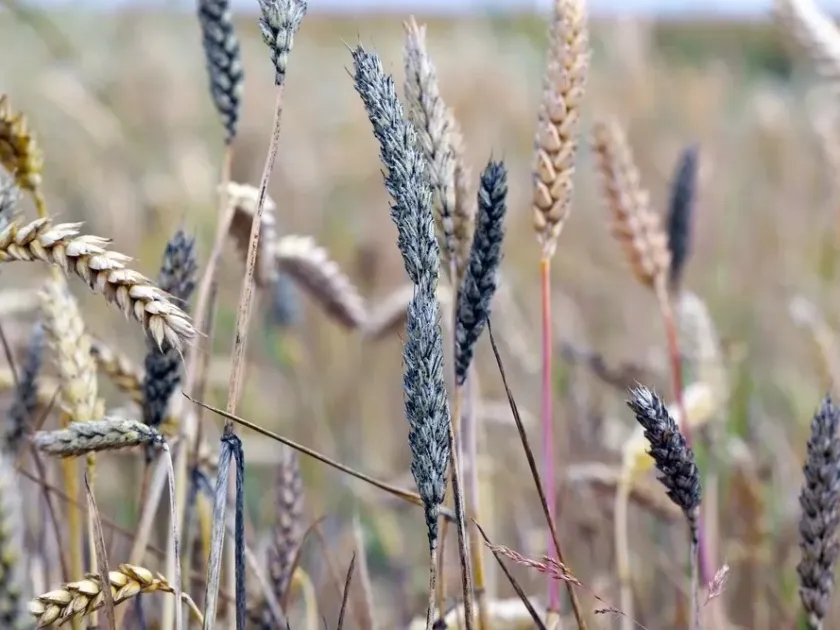
The most distinctive symptom is the appearance of dark, olive-black or sooty mold on the glumes, lemmas, and awns of the grain head.
The affected spikes appear darkened or "smutty," and the fungal growth can be rubbed off, indicating the presence of surface conidia.
Infected kernels are typically shriveled, discolored, and light in weight, with reduced viability and potential presence of internal mycelium.
The disease often manifests during the milk to dough stage of grain development, making the head look premature and necrotic.
Unlike other diseases, the discoloration is usually concentrated on the ear, though severe cases can cause the entire spike to wither.
Pathogen
The disease is caused by fungi of the genus Alternaria, most commonly Alternaria alternata, which are opportunistic pathogens and saprotrophs.
The fungus overwinters as mycelium, conidia, or chlamydospores in crop residues, soil, and infected seeds, remaining viable for several seasons.
The asexual reproduction cycle involves the mass production of dark, multi-celled conidia that are easily dispersed by wind, rain splashes, and insects.
This pathogen thrives on stressed plants, often acting as a secondary invader after initial damage from insects or other environmental factors.
The fungus produces extracellular enzymes and host-specific toxins that degrade plant cell walls, leading to tissue necrosis and grain degradation.
Conditions for development
High humidity (above 80%) and warm to moderate temperatures during the heading and grain-filling stages are ideal for fungal development.
Dense crop stands create a humid microclimate that prevents evaporation, facilitating the germination of conidia on the moist spike surface.
Plants weakened by drought, nutrient deficiencies, or lodging are significantly more susceptible to infection by the fungus.
Heavy and frequent rainfall during the ripening period is a major trigger for rapid secondary spread of the Alternaria spores.
Poor field hygiene, such as leaving large amounts of infected crop debris on the soil surface, increases the primary inoculum load.
Why it matters
Alternariosis significantly impacts grain quality by reducing test weight, nutritional value, and milling characteristics of the harvested wheat.
The disease reduces seed germination rates, making the infected grain unsuitable for high-quality planting purposes in the following season.
The production of mycotoxins by the fungus poses risks to animal and human health, rendering the crop unmarketable or requiring decontamination.
Crop yields suffer from lower kernel weight and potential reduction in the number of grains per spike due to tissue damage.
Economic losses are compounded by increased processing costs, as infected grain requires extra cleaning, sorting, and storage management.
Protection
Using high-quality, fungicide-treated seeds is the primary defense strategy to ensure a healthy start and minimize initial pathogen pressure.
Adopting good agricultural practices, including crop rotation and deep tillage, helps bury infected residues and break the pathogen life cycle.
Fungicide applications during the flag leaf to heading stages are critical for controlling the disease when environmental conditions favor its spread.
- Maintain balanced soil fertility to avoid excessive nitrogen, which can delay maturity.
- Implement effective weed control to reduce moisture retention in the field.
- Harvest as soon as the grain reaches physiological maturity to avoid wet weather risks.
Regular scouting of fields during the critical grain-filling window allows for timely intervention before the disease becomes widespread.
Reference
Connections · Alternariosis of ear
Most often together:
Marketplace
Products · 2

Community
Discussion
No discussions yet — be the first.