
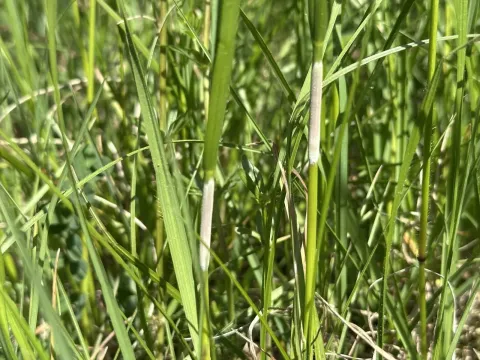
Epichloë
Epichloe
Epichloë is not a standard agricultural crop but a genus of systemic endophytic fungi that reside within the intercellular spaces of many perennial grasses. These fungi exist as symbionts, establishing a long-term relationship where they derive nutrients from the host plant without causing physical damage.
What the section contains

Epichloë
The growth and prevalence of these fungi are intrinsically linked to the environmental conditions of the host grass, such as tall fescue or perennial ryegrass. Moderate climates with sufficient moisture and stable temperatures are optimal for the maintenance of the fungal population within the plant tissues.
There are no specific soil requirements for the fungus itself, as its life cycle is fully supported by the plant host. However, the general vigor of the grass, which is determined by soil fertility and nutrient availability, indirectly influences the density and activity of the fungal mycelium colonizing the plant.
Agricultural management practices regarding endophytes involve careful selection of seed stocks. Since these fungi are typically transmitted vertically through seeds, plant breeders often utilize specifically inoculated seeds to enhance the drought tolerance and environmental adaptability of forage grass cultivars.
Climatic stress plays a significant role in the host-endophyte interaction. During periods of extreme heat or drought, the metabolism of the endophyte may shift, which can sometimes reduce its protective benefits, although the symbiotic association is generally resilient under standard cultivation practices.
The primary agricultural risk associated with certain Epichloë species is the production of alkaloids, which can be toxic to livestock. Under specific environmental conditions, these compounds accumulate in the foliage and can lead to conditions known as fescue toxicosis or endophyte poisoning in grazing animals.
Harmful impacts are often observed during peak growth seasons when livestock consume high volumes of infected forage. Symptoms in cattle and sheep include thermoregulatory dysfunction, reduced weight gain, and reproductive issues, necessitating careful monitoring of pasture composition and quality.
Management strategies focus on replacing traditional pastures with cultivars containing novel, non-toxic strains of endophytes. Modern breeding programs aim to select Epichloë isolates that maintain the protective benefits against herbivores while eliminating the production of harmful alkaloids for mammals.
Insect pests, such as aphids and grass-feeding flies, show significantly reduced infestation rates on endophyte-infected grasses. This provides a natural biological defense mechanism, although it requires a delicate balance between maximizing plant resilience and ensuring the safety of the forage for livestock production.
While the diseases affecting Epichloë itself are not well-documented, the fungi are susceptible to certain fungicides used in intensive crop management. Excessive chemical treatment can disrupt the symbiotic bond, thereby stripping the host grass of its enhanced natural resistance to abiotic and biotic stressors.