
Couch grass
Elytrigia
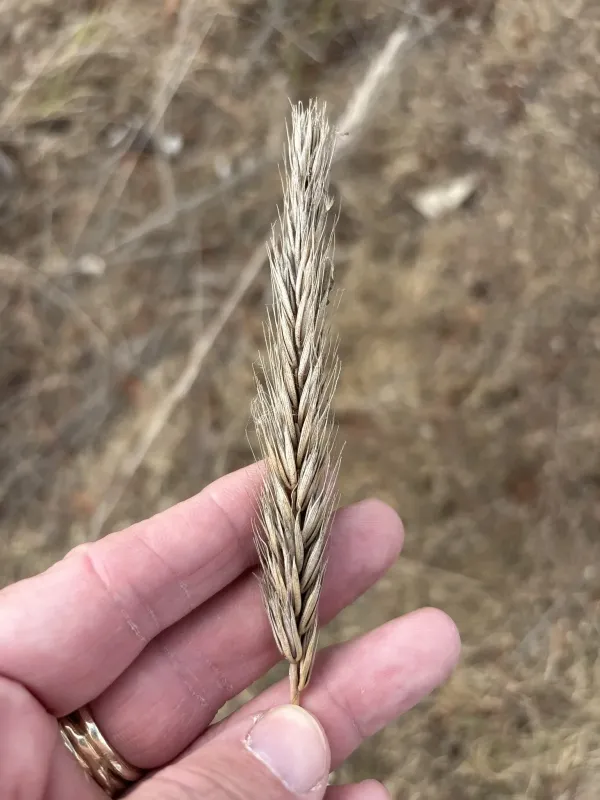
Description
Growing requirements
Couch grass (Elytrigia repens) is a perennial member of the Poaceae family. Known for its extensive rhizome system, it is recognized globally as both a common weed and a resilient forage species.
The plant thrives across a wide range of climates and soil types, though it performs optimally in temperate regions on fertile, well-drained soils with neutral pH levels.
Botanically, couch grass is defined by its ability to spread rapidly via horizontal rhizomes. These segments can regenerate even when fragmented during soil cultivation, making the plant difficult to eradicate.
From an agricultural standpoint, it serves as a valuable grazing grass in some regions due to its ability to recover quickly after defoliation and its acceptable nutritional profile for livestock.
Historically, the rhizomes have been valued for their medicinal properties, specifically as a mild diuretic in herbal practices, due to the presence of fructans and other active compounds.
Main diseases and pests
Couch grass is a known host for several major cereal pathogens. It facilitates the overwintering of rusts, powdery mildew, and various viruses, serving as a primary infection source for grain fields.
Insect pests, including cereal flies and frit flies, utilize couch grass as a host during early life stages, posing a significant risk to neighboring crop seedlings during spring outbreaks.
The presence of dense root systems can harbor soil-borne pests like wireworms, which can significantly damage root crops and cause economic losses if the land is not properly managed.
Effective management requires a combination of strategies, such as mechanical stubble cultivation to deplete rhizome energy reserves and the application of systemic herbicides at specific growth stages.
Implementing crop rotation with competitive crops that provide dense ground cover helps suppress couch grass growth and minimizes the need for high-intensity chemical interventions.