
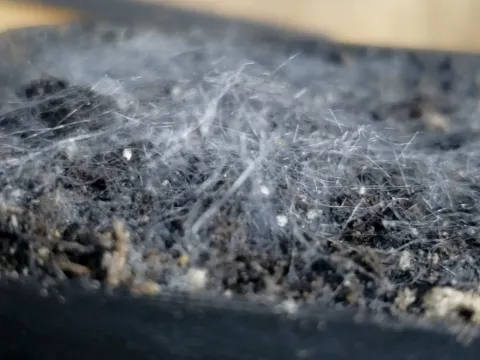
Claroideoglomus
Claroideoglomus Walker et al.
Claroideoglomus is a genus of arbuscular mycorrhizal fungi belonging to the family Claroideoglomeraceae. It serves as a vital biological partner for the vast majority of terrestrial crop plants, facilitating nutrient exchange.
What the section contains

Claroideoglomus
Found across diverse agricultural landscapes, this fungus colonizes plant roots to form a symbiotic association. It is highly adaptable to various soil types, ranging from sandy to loamy textures with different pH levels.
The fungus requires a living host to complete its lifecycle, as it is an obligate biotroph. A steady supply of plant-derived photosynthates is necessary for the development of the fungal mycelial network.
In terms of agricultural practice, Claroideoglomus acts as an extension of the root system, significantly increasing the surface area for the absorption of essential nutrients like phosphorus, nitrogen, and various micronutrients.
Improved drought tolerance is a hallmark of crops inoculated with Claroideoglomus. The hyphal network helps the plant maintain water uptake and metabolic balance even under suboptimal moisture conditions.
The health and efficacy of Claroideoglomus populations are highly sensitive to management practices that alter soil biology.
Intensive tillage practices break up the fungal hyphae in the soil, which significantly delays the formation of mycorrhizal associations during the early stages of crop growth.
Excessive use of fungicides can inadvertently suppress or eliminate beneficial mycorrhizal fungi, stripping the crops of their natural physiological support system.
High levels of chemical fertilization, particularly phosphorus inputs, lead to a suppression of colonization as plants become less dependent on the symbiotic fungal partner.
- Destruction of soil structure through heavy machinery.
- High concentrations of synthetic fertilizers.
- Long-term use of incompatible chemical pesticides.
- Absence of host crops in rotation cycles.