


Reference · Crops
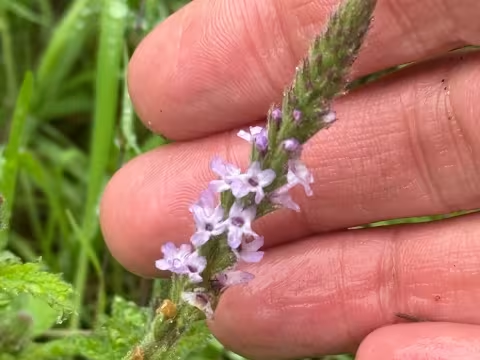
Verbena
Verbena L.
Verbena seeds are characterized by low germination rates, which makes the seedling method the most reliable way to cultivate this crop. Sowing typically occurs in late winter, specifically February or March, to ensure flowering plants by early summer.
6
items
What the section contains
Marketplace
Products in this section · 4


Verbena
A stratification process is recommended to improve germination results. This involves keeping the seeds in a cool environment (such as a refrigerator) for approximately one week prior to planting in prepared trays.
Seedlings require significant light exposure once they emerge to prevent leggy growth. Maintaining a temperature range between 18°C and 20°C is ideal for the initial development phase of the young plants.
Pricking out or transplanting the seedlings into individual containers is performed at the stage of the second pair of true leaves. This promotes a stronger root system development before the final outdoor planting.
Transplanting into the garden soil should only occur after the last frost date has passed. Providing adequate spacing, usually 20 to 30 cm, is essential to ensure healthy growth and sufficient air circulation for the mature plants.
As a member of the Verbenaceae family, Verbena thrives in full sun conditions. Even partial shade can lead to stunted growth and a significant reduction in flower production, which is undesirable for commercial or ornamental use.
The ideal soil for Verbena is a fertile, well-drained medium with a neutral pH level. If the soil is too heavy or contains high clay content, amending it with organic matter or sand is necessary to improve drainage.
Water management is a cornerstone of Verbena cultivation. While the plant can tolerate short periods of dryness, consistent moisture in the root zone is vital for continuous blooming throughout the growing season.
Regular maintenance involves weeding and light cultivation of the topsoil layer. This practice helps to manage competition from unwanted vegetation and facilitates better gas exchange in the soil rhizosphere.
Nutrient supplementation is required for sustained growth. A balanced liquid fertilizer applied every 14 days during the active growth period ensures that the plant has enough energy to maintain a robust flower display.
Powdery mildew is the primary threat to Verbena, particularly in environments with poor air circulation and fluctuating humidity levels. Affected leaves should be treated promptly with fungicides to prevent further spread.
Root rot is a common physiological disorder caused by overwatering or poor soil drainage. Ensuring that the substrate is not waterlogged is the most effective preventative measure against this fungal disease.
Aphids are frequent pests that congregate on the tender tips of the plant. If infestation occurs, the use of contact or systemic insecticides is advised to protect the plant's health and aesthetic appeal.
Spider mites can be particularly damaging during hot and dry summer spells. Maintaining higher humidity around the plants or using specialized acaricides is necessary to manage these pests effectively.
Thrips may target the flowering structures of the Verbena, leading to discolored and deformed petals. Regular monitoring of the flower heads allows for early intervention and effective pest control.