
Purpletop vervain
Verbena bonariensis L.
Description
Sowing dates
Purpletop vervain (Verbena bonariensis L.) is a member of the Verbenaceae family. The most effective way to start this crop is by sowing seeds indoors in late winter, specifically February or March, to ensure a long growing season.
The seeds require a period of stratification and light to germinate effectively. They should be surface-sown on a moist, well-draining seed-starting mix and only lightly covered with fine vermiculite or sand.
Maintaining a temperature range of 20–22 degrees Celsius is crucial during the germination phase. Seedlings should be pricked out into individual pots once the first true leaves have developed to allow for robust root growth.
Transplanting to the permanent outdoor location should occur after the last frost date. This ensures the young plants have sufficient time to establish themselves before the onset of extreme summer heat.
Proper spacing is vital for the health of the plants, typically ranging from 30 to 45 cm between individuals. This spacing promotes air circulation, which is essential to prevent fungal issues in dense plantings.
Growing requirements
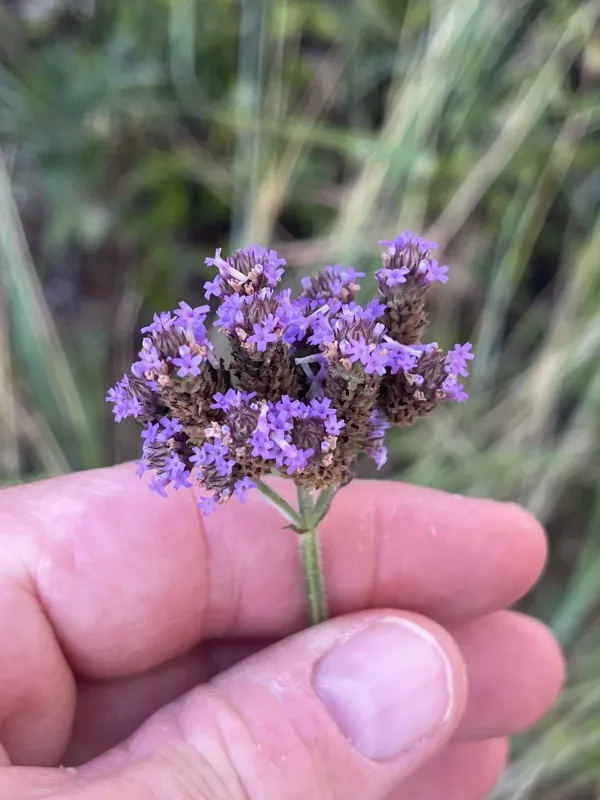
This species originates from South America and thrives in full sun conditions. It requires at least six to eight hours of direct sunlight daily to produce its signature tall, airy, purple flower clusters.
The soil should be fertile, light, and exceptionally well-drained. While the plant can tolerate various soil types, it performs best in neutral to slightly alkaline conditions with plenty of organic matter.
Water requirements are moderate. Once established, purpletop vervain is somewhat drought-tolerant, but regular watering during dry spells will encourage more prolific and continuous flowering throughout the season.
It is generally considered a tender perennial in colder climates. In regions with harsh winters, it is often grown as an annual, although heavy mulching can sometimes protect the roots in mild-winter zones.
Minimal fertilizing is usually sufficient, as excessive nitrogen can lead to weak, leggy stems. A balanced, slow-release fertilizer applied in early spring can support healthy growth and vibrant flower production.
Main diseases and pests
Powdery mildew is the most common disease affecting this species, especially in areas with high humidity or stagnant air. Proper spacing and location choice are the primary methods for preventing this infection.
Root rot can occur in soil that does not drain well. Keeping the plants away from low-lying areas that collect water is necessary to maintain root health and prevent premature plant death.
Aphids can target the tender new growth and flower buds. Monitoring the plants regularly allows for early detection and the use of insecticidal soaps or neem oil before the infestation becomes severe.
Spider mites may become a problem during hot, dry weather conditions. These pests thrive in dusty, dry environments, so maintaining consistent soil moisture can help mitigate the risk of mite colonization.
Whiteflies are another potential pest, particularly in greenhouse or protected cultivation environments. Control involves utilizing yellow sticky traps and appropriate horticultural oils to manage population levels.
Harvesting
The primary use of Verbena bonariensis is in ornamental horticulture. Its tall stems make it an excellent choice for planting at the back of borders or as a transparent filler in meadow-style gardens.
For cut flower use, stems should be harvested when the majority of florets are open. They have excellent vase life, often remaining attractive for ten to fourteen days if the water is kept clean.
Seed harvesting should take place when the seed heads turn brown and become dry. The tiny seeds are easily dispersed, so collectors should bag the flower heads before they fully shatter in the field.
Seeds must be dried thoroughly after harvest and stored in a cool, dry place. Properly stored, they can maintain viability for several years, making them ideal for propagation in the following seasons.
In landscape management, the stems are often left standing through late autumn to provide winter interest and seeds for birds. They can be cut down to the base in late winter or early spring before new growth starts.