
Verbena officinalis
Verbena officinalis L.
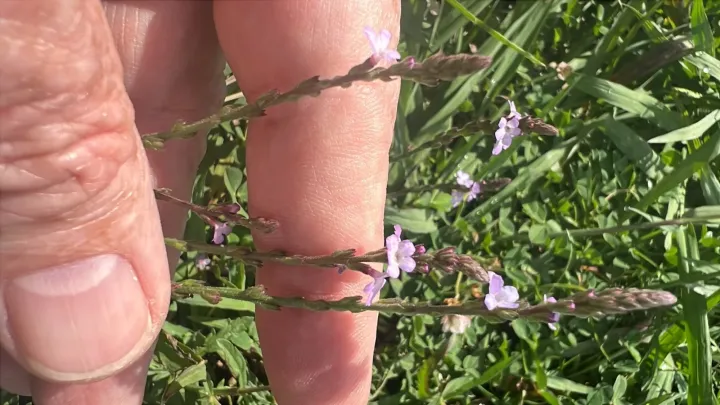
Description
Sowing dates
Sowing of Verbena officinalis seeds in the field should take place in the spring once soil temperatures reach 12–15 degrees Celsius. For professional production, starting seeds indoors in greenhouse trays during March is recommended for early establishment.
The seeds exhibit low germination rates; therefore, stratification for two to three weeks is beneficial. When sowing directly into the soil, rows should be spaced at 45–60 centimeters to allow for proper airflow and maintenance.
Once seedlings emerge, thinning is necessary to achieve a spacing of 25–30 centimeters between plants. Seeds must be covered with a thin layer of soil (up to 1 cm) as they require light to germinate effectively.
Transplanting seedlings to their final location is best performed in late May after the frost risk has passed. Young plants require consistent moisture during the first few weeks to ensure strong root development.
In temperate climates, the plant may self-seed, reducing the need for constant replanting. However, for commercial purposes, controlled annual seeding ensures uniform growth and quality yields.
Growing requirements
Verbena officinalis is a perennial herbaceous plant belonging to the Verbenaceae family. It thrives in full sunlight, as shaded conditions lead to leggy growth and significantly lower essential oil concentrations.
The plant is adaptable to various soil types but prefers well-drained loamy or sandy soils with a neutral pH. It is crucial to prevent waterlogging, as the roots are susceptible to decay in heavy, saturated soils.
This species is notably drought-tolerant due to its deep taproot system, which allows it to access water in lower soil horizons. Nevertheless, supplemental irrigation during peak growth periods enhances vegetative output.
Good agricultural practice requires regular inter-row cultivation to manage weeds, which compete for nutrients and moisture. Weed control is particularly critical during the early stages of plant development.
Balanced fertilization, particularly with phosphorus and potassium, should be applied during the budding stage to optimize the accumulation of secondary metabolites. Excessive nitrogen should be avoided to maintain plant structural integrity.
Yield
Under favorable conditions, Verbena officinalis can yield between 1.5 to 3 metric tons of dried biomass per hectare. Success depends on plant density, soil fertility, and timely harvesting during peak flowering.
The plant is highly valued in the pharmaceutical industry for its sedative and health-promoting properties. Its chemical profile includes iridoid glycosides and essential oils used in various medicinal preparations.
Besides its medicinal application, the plant serves as a vital resource for pollinators, increasing biodiversity in agricultural ecosystems. Beekeepers often value its role as a late-season honey source.
The market for herbal raw materials is growing, making Verbena officinalis a viable niche crop for small-scale farming. Proper post-harvest processing is essential to maintain high quality for buyers.
Efficient storage conditions, including cool and dark environments, ensure that the dried product retains its therapeutic efficacy and aromatic profile for up to two years post-harvest.
Main diseases and pests
Aphids and spider mites are the most common pests, particularly during hot and dry summer months. Biological control methods and insecticidal soaps are effective in managing these infestations.
Powdery mildew is a potential disease risk in high-humidity or poorly ventilated conditions. Ensuring adequate spacing between plants is the most effective preventative measure against this fungal threat.
Root rot occurs in fields with poor drainage, which can devastate a plantation. Selecting high-ground sites or installing drainage systems is necessary to avoid soil moisture saturation.
Caterpillars may occasionally feed on the foliage, requiring active monitoring throughout the growing season. Early detection allows for localized management before widespread damage occurs.
Crop rotation is fundamental to prevent the buildup of soil-borne pathogens. A gap of at least three to four years should be observed before planting Verbena in the same location again.
Harvesting
Harvesting should be conducted during full bloom when the concentration of beneficial compounds in the upper stems and leaves is at its peak. This usually occurs mid-summer.
The upper 20–30 centimeters of the flowering stems are harvested. Using sharp tools ensures clean cuts, which minimizes stress on the plant and promotes secondary growth if climate conditions permit.
Drying is performed in shaded, well-ventilated areas or in temperature-controlled drying cabinets. Maintaining temperatures below 40 degrees Celsius preserves the plant's delicate essential oils.
Once fully dried, the raw material should be processed carefully to avoid breaking the leaves into dust. Properly packed, the dried herbs are protected from moisture and light degradation.
Seed harvesting occurs once the fruit heads turn brown. Seeds are threshed, cleaned of debris, and stored in a cool, dry place to maintain viability for the following season's planting.