
Blue vervain
Verbena hastata L.
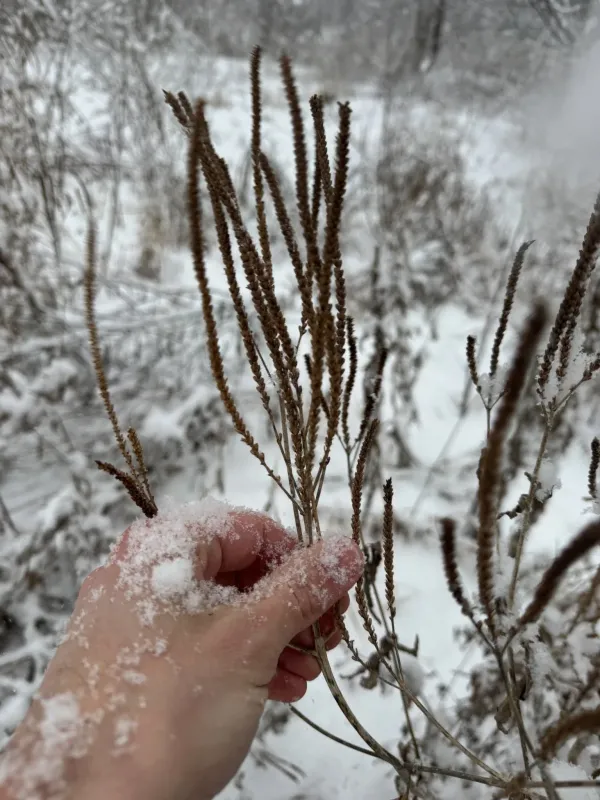
Description
Sowing dates
Blue vervain is a perennial herbaceous plant from the Verbenaceae family. It is typically propagated by seeds, which require specific conditions to germinate successfully in a field setting.
Seeds should be sown in the autumn for natural cold stratification or in early spring after being chilled in a refrigerator for at least one month to break dormancy.
For optimal results, seeds are planted in fine-textured, weed-free soil. They should be pressed into the surface rather than buried deeply, as they require light to germinate effectively.
In a controlled environment, nursery trays can be used in late winter to establish healthy seedlings. These are then transplanted outdoors once the risk of frost has passed.
Spacing is critical for this species; plants should be kept at least 30–40 cm apart to ensure proper airflow, which helps prevent the development of fungal infections.
Growing requirements
The plant thrives in moist, rich soils and is naturally found in riparian zones, wetlands, and damp meadows. Ensuring constant moisture is the key to successful cultivation.
While blue vervain prefers loam-based soils with high organic matter, it is relatively adaptable. However, it requires a neutral to slightly acidic pH level for optimal nutrient uptake.
Full sun exposure is necessary for the plant to develop its full range of medicinal compounds. Shade-grown plants often exhibit weaker stems and reduced chemical potency.
Blue vervain is hardy in temperate climates. During winter, it enters a dormant phase and can survive freezing temperatures provided the root crown is not saturated with water.
Adding well-composted organic material before planting provides a steady supply of nutrients, reducing the need for heavy chemical fertilization during the vegetative growth phase.
Yield
Blue vervain is primarily cultivated for its aerial parts, including leaves and flowering tops, which are highly valued in the herbal medicine and pharmaceutical industries.
Consistent yield depends on proactive management of soil moisture. During dry spells, supplemental irrigation is mandatory to maintain plant vigor and foliage density.
Harvestable yield is typically highest in the second year of growth after the plant has established a robust root system. Regular pruning can also encourage bushier growth.
Post-harvest processing, including immediate drying in well-ventilated sheds, is vital to prevent the degradation of iridoid glycosides and other active ingredients.
Strategic planting density and proper nutrient management ensure that growers achieve a sustainable and high-quality product suitable for commercial markets.
Main diseases and pests
Fungal issues, particularly powdery mildew, are the most significant threats to blue vervain. These often appear when plants are overcrowded or during periods of high humidity.
Root rot caused by stagnant water is a major concern. Proper soil drainage and avoiding over-watering in low-lying areas are essential preventative measures.
Common pests like aphids and spider mites can attack the leaves. Monitoring populations early is necessary to avoid significant damage to the marketable foliage.
Integrated pest management, including the introduction of beneficial predatory insects, is preferred over chemical interventions to maintain the medicinal quality of the crop.
- Maintain appropriate plant spacing to improve ventilation.
- Use drip irrigation to keep foliage dry and reduce fungal risk.
- Rotate crops every few years to prevent soil-borne pathogens.
Harvesting
Harvesting should be timed precisely with the period of peak flowering, as this is when the concentration of medicinal compounds is at its highest in the plant tissue.
The stems should be cut several inches above the base, allowing for regrowth. This technique ensures that the plant remains healthy for future harvest cycles.
Immediate transportation to the drying area is required. The plants should be bundled and hung or placed in thin layers to ensure that drying occurs rapidly and uniformly.
The drying process should take place at moderate temperatures, ideally below 45 degrees Celsius, to preserve the aromatic and active components within the herb.
Once dried to a moisture content of around 12%, the product should be stored in opaque, airtight containers away from direct sunlight and humidity to ensure long-term stability.