
Verbena hispida
Verbena hispida
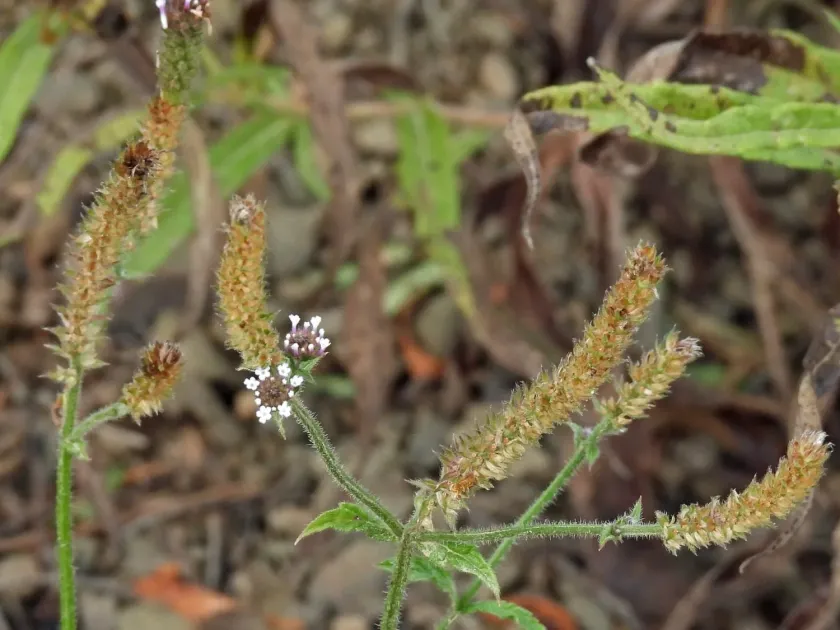
Description
Sowing dates
Seeds of Verbena hispida are sown in seed trays in late February or early March to ensure early flowering. The germination process typically takes between 2 to 3 weeks and requires temperatures around +20–22°C.
Sowing should be done in a light substrate; seeds do not require deep burial, and covering them with a thin layer of vermiculite or sterile sand is sufficient. Trays must be covered with glass or film to maintain stable humidity levels until sprouts emerge.
Seedling transplanting should occur once the first two true leaves have developed. Providing adequate lighting is crucial during this stage; otherwise, stems tend to stretch, which diminishes the quality of the adult plant and its resistance to lodging.
Transplanting into the garden should only take place after the threat of night frost has completely passed. Maintaining a spacing of 25 to 30 centimeters between plants is recommended to ensure proper aeration and minimize the risk of fungal infections.
After transplanting, applying mulch is highly recommended to retain soil moisture and suppress weed growth, which can otherwise compete with the young root system of the verbena.
Growing requirements
Verbena hispida, commonly known as bristly verbena, is a perennial herbaceous plant belonging to the Verbenaceae family. Originating from South America, specifically regions in Argentina, Chile, and Uruguay, it thrives in open, sunny habitats.
The plant features characteristic erect stems that can reach heights of 30 to 80 centimeters. Its leaves are lanceolate or oblong with serrated edges and are frequently covered with fine, rigid hairs, which justifies the specific epithet "hispida" or bristly.
For successful cultivation, Verbena hispida requires well-drained, moderately fertile soil with a neutral to slightly acidic pH level. It is highly sensitive to waterlogging, making the choice of sandy or loamy soil essential to prevent root rot.
The crop is light-loving and heat-demanding, necessitating full sun exposure for optimal blooming. In temperate climates, it is often treated as an annual, as it lacks high frost resistance and requires protection or indoor relocation during winter months.
From an agronomical perspective, Verbena hispida is valued for its drought tolerance and ability to maintain its ornamental qualities during hot summers. Regular watering is primarily required during the active growth phase, after which the plant can endure short periods of moisture deficiency.
Main diseases and pests
The primary threats to Verbena hispida are fungal diseases, which thrive in conditions of high humidity or poor soil drainage. Powdery mildew manifests as a white coating on the leaves and stems, necessitating immediate treatment with fungicides.
Root rot occurs as a result of chronic overwatering, which compromises the integrity of the root system. Proper irrigation scheduling and high-quality drainage are the most effective preventative measures against this issue.
Common pests include aphids and spider mites, particularly in hot and dry climates. These pests feed on plant sap, leading to leaf deformation and a loss of aesthetic appeal.
To control pest populations, the use of systemic insecticides or biological preparations derived from plant extracts is recommended. Regular inspection of the undersides of the leaves helps detect infestations during the early stages.
- Regular deadheading of spent flowers extends the overall blooming period.
- Timely weeding is essential to prevent nutrient competition.
- Using balanced fertilizers with low nitrogen content promotes flowering over excessive vegetative growth.