
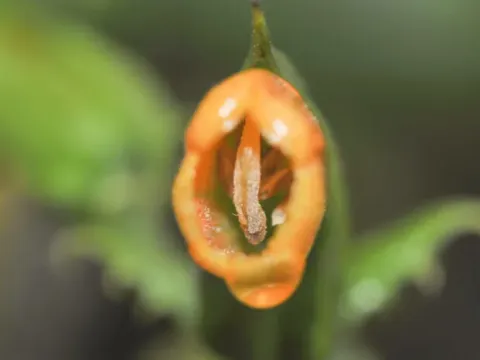
Vellosiella
Vellosiella
Sowing this crop requires careful soil preparation and adherence to optimal temperature regimes. Seeds should be sown in warmed soil once the danger of late frosts has passed, which is critical for the healthy development of seedlings during the initial growth stage.
What the section contains

Vellosiella
The seeding depth is directly dependent on the soil texture and moisture content. In light sandy soils, deeper sowing is permissible, while in heavy clay structures, seeds are placed closer to the surface to facilitate easier germination.
Sowing dates may vary depending on the climatic zone, but the general rule is to use high-quality seed material with high germination energy. Uniform seed distribution ensures the formation of optimal plant density per unit area.
After sowing, rolling the field is recommended to improve the contact between the seeds and soil particles. This process facilitates the movement of moisture from the lower soil layers to the germination zone and stimulates faster seedling emergence.
Adherence to recommended seeding rates helps avoid overcrowding, which is vital for preventing competition between plants for nutrients and sunlight during critical stages of vegetation.
Vellosiella has specific soil fertility requirements, preferring well-drained substrates with sufficient humus content. An optimal pH range should be maintained within neutral values to ensure the effective uptake of essential plant nutrients.
The crop responds positively to the application of mineral fertilizers, especially nitrogen-phosphorus groups, which stimulate the development of vegetative mass. Organic additives, such as compost or well-rotted manure, improve soil structure and water-holding capacity.
To ensure healthy growth, the plant requires a stable irrigation regime, especially during the phase of active leaf development. Excessive waterlogging can lead to the suppression of the root system, making proper drainage essential for the field.
Light intensity plays a decisive role in the plant's metabolic processes, making it preferable to place crops in well-lit, open areas without shading. Insufficient insolation may cause stem elongation and reduce overall productivity.
The temperature range for successful cultivation should correspond to a temperate climate. Extreme temperature fluctuations can slow physiological processes, so protection methods are sometimes applied when growing under specific or extreme conditions.
The yield of this crop depends on the intensity of applied agronomic practices and the quality of field management throughout the vegetation period. Maximum results are achieved when moisture balance and nutritional needs are perfectly satisfied.
The biological potential of the species allows for stable biomass production, which can be utilized as fodder or raw material for industrial processing. Preventing lodging is a key factor in reducing losses during mechanized harvesting.
Productivity indicators also depend on variety characteristics and the level of management discipline on the farm. Regular monitoring of crop status helps identify development deviations that may affect the final harvest outcome.
Optimizing plant density allows for the most efficient use of available field space. With a competent approach to agronomy, harvest yields show positive dynamics even under average weather conditions.
Actual product collection often correlates with the intensity of photosynthesis, which is supported by keeping the fields free of weeds. Timely treatments and care directly translate into higher marketable produce mass per hectare.
Vellosiella can be subject to attacks by various pests that prefer the succulent tissues of this family. Monitoring for phytophagous insects should be conducted during early vegetation stages when plants are most vulnerable to damage.
Fungal diseases pose a serious threat if air and soil moisture regimes are not maintained. High planting density and poor air circulation within the field often facilitate the spread of pathogens.
Key protection measures include the preventive use of fungicides and adherence to crop rotation, which breaks the development cycle of specific infections. Healthy seed material serves as the first barrier against the spread of diseases.
Pests such as aphids or leaf-eating insects can cause significant damage if phytosanitary control measures are neglected. The use of biological control methods is becoming increasingly relevant for maintaining the quality of the harvested produce.
Constant observation of leaf and stem conditions allows for the detection of the first signs of damage. Timely reaction to threats helps preserve the yield potential and avoid significant losses during the cultivation cycle.
Harvesting of Vellosiella is carried out during the phase of maximum nutrient accumulation, which is determined by the external maturity signs of the vegetative organs. Choosing the right moment is essential to ensure high quality for subsequent processing or storage.
Using specialized harvesting equipment minimizes losses and speeds up the process on large areas. Adjusting the cutting height is crucial for the purity of the raw material and the preservation of the root system for perennial forms.
Post-harvest processing includes drying, which is necessary to prevent self-heating and spoilage during storage. Humidity control during the storage stage is a guarantee of preserving all biologically active compounds.
Harvesting methods may differ based on the target use of the product, whether it is for green biomass or as raw material for industrial processing. A clean cut ensures uniform drying and convenience for further transportation.
Planning the harvesting campaign must take short-term weather forecasts into account, as excessive precipitation during this period can negatively affect the quality and appearance of the collected material. Proper logistics organization significantly increases the crop's profitability.