
Vellosiella dracocephaloides
Vellosiella dracocephaloides
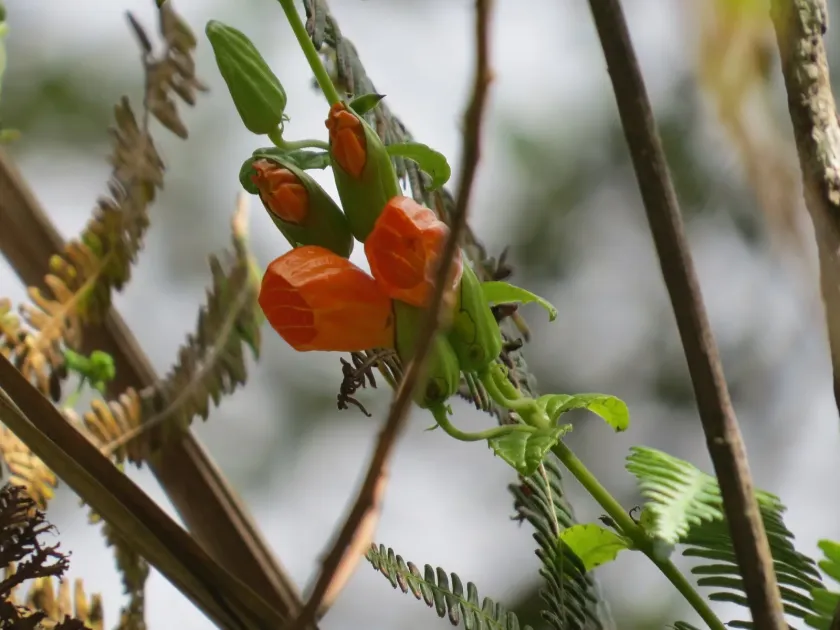
Description
Sowing dates
Vellosiella dracocephaloides requires careful timing for seeding to ensure consistent germination rates.
Optimal soil temperature for sowing ranges between 15 and 18 degrees Celsius for best results.
Seeds should be planted at a shallow depth in well-prepared, aerated soil to promote quick emergence.
Consistent moisture levels during the first weeks of the growing cycle are critical for young seedlings.
Using a protected greenhouse environment can significantly increase the success rate of early spring sowings.
Growing requirements
As a member of the Lamiaceae family, this crop prefers loose, well-drained soil with a balanced nutrient profile.
The plant thrives in sunny locations, requiring significant light exposure to maintain healthy vegetative growth.
Regular irrigation is recommended, avoiding over-saturation to prevent potential root rot issues.
Soil pH should ideally remain near neutral to ensure optimal nutrient uptake by the plant roots.
Consistent temperatures are preferred, as severe fluctuations can impact the physiological development of the crop.
Yield
The yield of Vellosiella dracocephaloides is heavily influenced by the precision of the planting density used during sowing.
High yields are achievable when management practices focus on timely fertilization and weed control.
The potential for biomass production is stable, provided the crop is protected from extreme weather events.
Strategic nutrient management during the peak growth phase enhances the overall crop performance.
Quality control during seed selection plays a vital role in determining final harvest volumes per hectare.
Main diseases and pests
Fungal pathogens represent the most significant threat to plant health, particularly in high-humidity conditions.
Insect pests often target leaves, necessitating regular field inspections to prevent major outbreaks.
Implementing a strict crop rotation schedule helps reduce the persistence of soil-borne diseases.
Chemical intervention should be used sparingly and only when the economic threshold of damage is reached.
Healthy cultivation practices, including spacing and cleaning, are the primary defenses against most common pests.
Harvesting
Harvesting is typically timed to coincide with the start of the flowering phase for peak chemical content.
Mechanical harvesting tools must be adjusted to ensure clean cuts while minimizing damage to the plant base.
Proper post-harvest management involves immediate drying in well-ventilated areas to prevent spoilage.
Avoiding sun exposure during the drying phase helps preserve the essential components of the crop.
Stored raw materials should be kept in climate-controlled environments to maintain high commercial quality.