
Vatica
Vatica
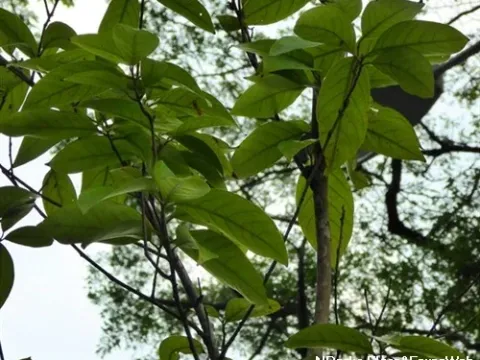
The genus Vatica belongs to the Dipterocarpaceae family, comprising a significant group of evergreen trees native to the tropical forests of Southeast Asia and surrounding regions.
What the section contains
 Vatica affinis
Vatica flavovirens
Vatica flavovirens
Vatica affinis
Vatica affinis
Vatica flavovirens
Vatica flavovirens
 Vatica heteroptera
Vatica heteroptera
Vatica heteroptera
 Vatica javanica
Vatica javanica
Vatica javanica
 Vatica lanceifolia
Vatica lanceifolia
Vatica lanceifolia
 Vatica lobata
Vatica lobata
Vatica lobata
 Vatica maingayi
Vatica maingayi
Vatica maingayi
 Vatica oblongifolia
Vatica oblongifolia
Vatica oblongifolia
 Vatica obscura
Vatica obscura
Vatica obscura
 Vatica odorata
Vatica odorata
Vatica odorata
 Vatica pauciflora
Vatica pauciflora
Vatica pauciflora
 Vatica perakensis
Vatica perakensis
Vatica perakensis
 Vatica rassak
Vatica rassak
Vatica rassak
 Vatica ridleyana
Vatica ridleyana
Vatica ridleyana
 Vatica stapfiana
Vatica stapfiana
Vatica stapfiana
 Vatica teysmanniana
Vatica teysmanniana
Vatica teysmanniana
 Vatica venulosa
Vatica venulosa
Vatica venulosa
 Vatica yeechongii
Vatica yeechongii
Vatica yeechongii
Vatica
These trees require a stable, humid tropical climate with high annual rainfall and minimal temperature fluctuations. They are integral components of the primary rainforest canopy, thriving in conditions where humidity remains high throughout the year.
In terms of soil requirements, Vatica species prefer deep, well-drained alluvial soils that provide sufficient nutrients while preventing waterlogging, which is detrimental to their health.
Botanically, they are characterized by their slow growth, dense and durable timber, and the production of specific resins. They are vital for local biodiversity and the stability of the forest ecosystem.
Economically, Vatica is primarily managed for its high-quality timber, known for its hardness and resistance. Certain species also yield resins used in traditional medicine and the incense industry.
The primary threats to Vatica populations include various wood-boring insects and leaf-eating beetles that can severely impact the health and development of the trees.
Fungal diseases affecting the root system and stem are major concerns, often exacerbated by environmental stress or improper forestry management practices.
Habitat loss due to large-scale deforestation remains the single most significant threat to the survival of many Vatica species, leading to population fragmentation.
Competition from invasive plant species can hinder the growth of seedlings, as they struggle to secure enough light and soil nutrients in disturbed forest areas.
Climate change, manifesting in unpredictable rainfall patterns, poses a physiological threat to Vatica trees, making them more susceptible to pest outbreaks and secondary infections.