
Vatica perakensis
Vatica perakensis
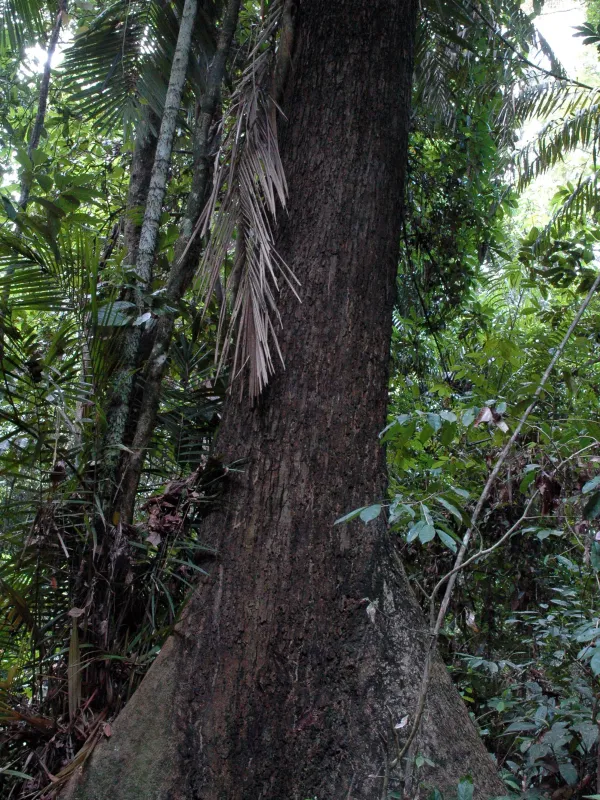
Description
Growing requirements
Vatica perakensis belongs to the Dipterocarpaceae family. It is an evergreen tropical tree that serves as a vital component of primary rainforest ecosystems in its native range.
The species thrives in a humid tropical climate characterized by consistent rainfall throughout the year. It is highly sensitive to prolonged dry spells and necessitates high air humidity to maintain healthy growth and physiological functions.
For optimal development, the culture requires deep, well-drained, fertile forest soils with an acidic to neutral pH. Although it appreciates moisture, it cannot tolerate waterlogging, meaning sites must possess excellent natural drainage.
In its natural habitat, the tree is found in Malaysia and adjacent areas of Southeast Asia. It exhibits shade tolerance during early growth stages, allowing young specimens to establish themselves beneath the forest canopy before reaching maturity.
The primary economic use of this species involves the extraction of high-quality timber, prized for its hardness and durability. Furthermore, the tree plays a crucial role in maintaining the biological diversity of tropical rainforests.
Main diseases and pests
The main threats to the population are anthropogenic factors, including deforestation and land-use conversion. These activities result in the fragmentation of the species' natural habitat.
Pests affecting dipterocarps include various wood-boring insects and larvae that damage seeds. Seedlings in nurseries are particularly vulnerable if standard silvicultural practices are neglected or improperly managed.
Diseases in this region are often associated with fungal infections of the root system. Excessive soil moisture combined with poor air circulation can lead to the development of rots that compromise bark and wood integrity.
Limited genetic variability and slow natural regeneration rates hinder the species' ability to adapt to rapidly changing climatic conditions, rendering the population vulnerable to emerging pathogens.
Conservation strategies include the establishment of protected areas, the enforcement of quarantine protocols for nursery stock, and ongoing monitoring of forest health to mitigate environmental stressors.