
Vatica venulosa
Vatica venulosa
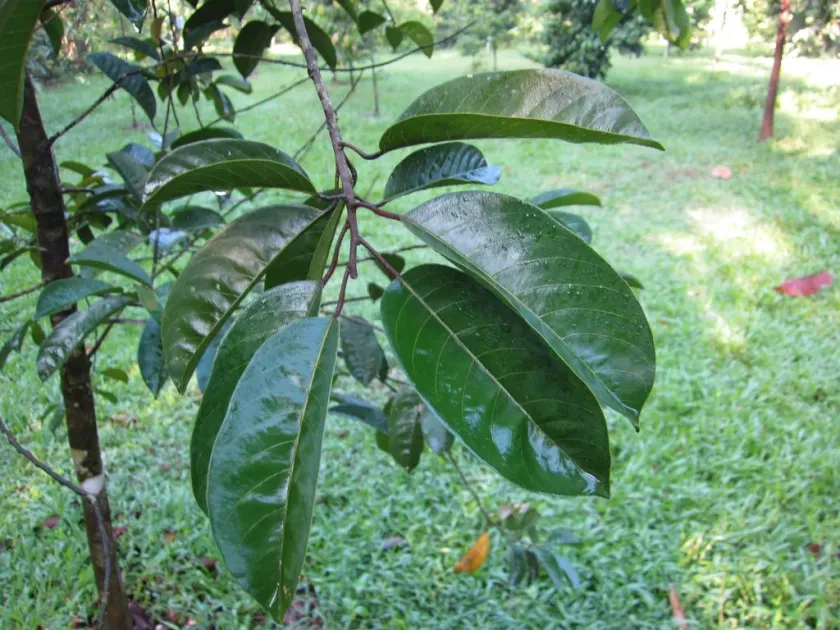
Description
Growing requirements
Vatica venulosa is an evergreen tree species belonging to the Dipterocarpaceae family. It is a vital component of the tropical rainforest ecosystems, particularly endemic to the Philippines, where it thrives in the dense, high-humidity forest environment.
The cultivation of Vatica venulosa requires a strictly tropical climate with consistent temperatures throughout the year. The species is highly intolerant of frost or significant temperature drops, making it unsuitable for cultivation outside of its native equatorial and tropical zones.
Regarding soil requirements, the species prefers deep, moist, and well-drained soils that are rich in decomposed organic matter. It typically thrives in forest soils with a slightly acidic pH, which support the development of its specialized root systems capable of nutrient uptake in competitive environments.
Biological features of the plant include a specific shade-tolerance mechanism during its sapling stage. As an understory species in its natural habitat, it adapts to filtered sunlight; however, as it matures, it increases its demand for light to support structural growth and canopy development.
Agrotechnical management in forestry projects involves creating conditions that mimic natural forest dynamics. This includes maintaining adequate moisture levels and protecting young plants from direct, intense solar radiation, which can cause leaf scorch and stunt early growth.
Harvesting
The primary economic utility of Vatica venulosa is centered on the production of high-density timber. Its wood is highly valued in local carpentry and construction due to its inherent resistance to decay and structural integrity, making it a sustainable choice for specialized building projects.
The species is also scientifically recognized for its secondary metabolites, including resins and essential oils. These derivatives have been historically used in traditional applications, and contemporary research continues to investigate their potential in pharmacological and industrial sectors.