
Vatica rassak
Vatica rassak
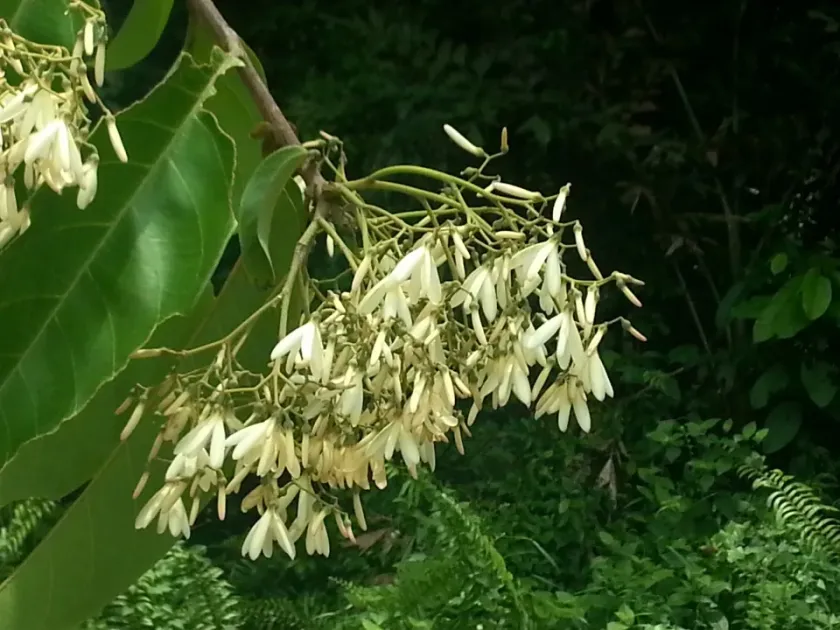
Description
Growing requirements
Vatica rassak is a prominent evergreen tree species belonging to the Dipterocarpaceae family. It is recognized as a majestic component of tropical rainforests, known for its dense canopy and significant height potential in its native ecosystem.
The natural distribution of this species spans the humid tropical regions of Southeast Asia, including Indonesia and Malaysia. It thrives in high-temperature environments where the rainfall is distributed consistently throughout the year.
Cultivation of Vatica rassak requires fertile, well-drained soil types. The species performs optimally in lowland areas or near riverbanks, where moisture retention and consistent access to water promote healthy root development and biomass accumulation.
Climate requirements for this species are strictly tropical. It demands constant warmth and high atmospheric humidity to maintain its physiological processes. It is highly intolerant of frost, cold winds, or any extended periods of water deficit.
In terms of economic utility, Vatica rassak is highly valued for its durable and hard timber. The wood is widely utilized in heavy-duty construction, high-quality furniture manufacturing, and marine applications due to its natural resistance to decay.
Main diseases and pests
The primary threat to Vatica rassak populations is widespread deforestation and the degradation of tropical forest habitats. Habitat loss significantly reduces the capacity for natural regeneration of the species.
Pathogenic fungi represent a significant biological threat, especially in humid conditions. These fungi can colonize trees that have sustained mechanical damage, leading to internal rot and structural instability.
Insect pests, particularly wood-boring beetles, can cause extensive damage by disrupting vascular tissue and creating entry points for secondary infections. These attacks significantly lower the merchantable value of the timber.
Competition with aggressive invasive plant species can hinder the establishment of seedlings. Younger trees require specific light conditions, and dense competition often limits their access to necessary resources.
Climate change poses a long-term risk by altering rainfall patterns. Since Vatica rassak is highly adapted to constant tropical humidity, any disruption in the precipitation cycle can stress the trees and make them more susceptible to pests and disease.