
Vatica stapfiana
Vatica stapfiana
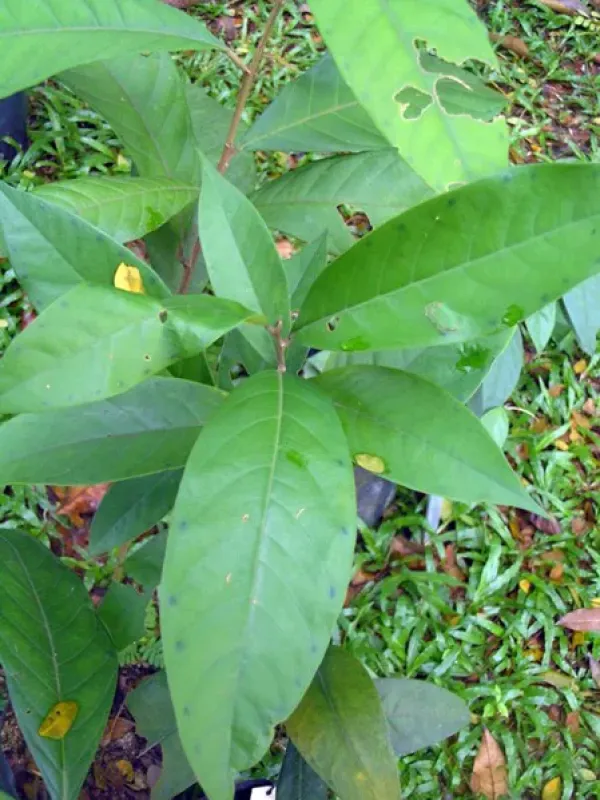
Description
Growing requirements
Vatica stapfiana belongs to the Dipterocarpaceae family. It is a large evergreen tree species that typically forms part of the canopy in tropical rainforest ecosystems.
The species is native to Southeast Asia, specifically found in the Malay Peninsula. It thrives in high-humidity environments with stable tropical temperatures throughout the year.
For optimal growth, the species requires deep, fertile, and well-drained soils that retain sufficient moisture. It is frequently observed growing near riverbanks and in low-lying rainforest terrains.
The plant is highly sensitive to severe changes in soil moisture and does not tolerate prolonged dry seasons. Cultivation efforts must focus on providing adequate shade for saplings during their establishment phase.
Botanically, the tree is defined by its hard, dense timber and specialized winged fruits, which facilitate seed dispersal via wind currents across the forest floor.
Harvesting
The primary economic use of this culture is the harvesting of its high-quality timber, which is highly valued in both construction and furniture manufacturing industries.
Logging operations must be conducted according to sustainable forest management guidelines due to the limited natural distribution and ecological sensitivity of the species.
The wood produced by Vatica stapfiana is known for its high density and natural resistance to biological degradation, making it suitable for heavy-duty structural applications.
While local communities may utilize various parts of the tree for traditional purposes, commercial timber production remains the most significant driver for its economic management.
Seed collection for reforestation projects requires extreme precision, as the seeds lose viability rapidly after dropping, which presents challenges for commercial nursery propagation.