
Vatica heteroptera
Vatica heteroptera
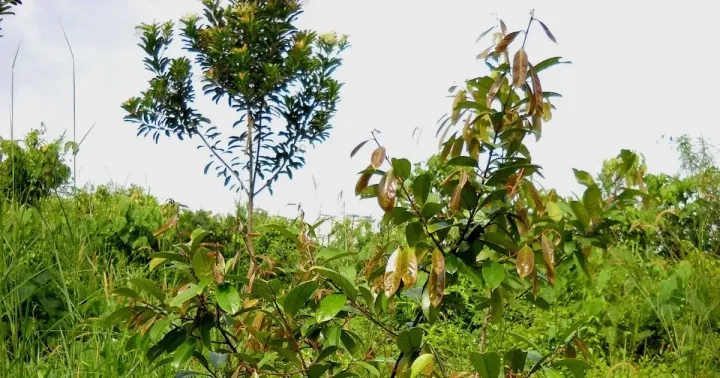
Description
Growing requirements
Vatica heteroptera is a tropical evergreen tree belonging to the Dipterocarpaceae family. This species is native to the lush tropical rainforests of Southeast Asia, with its primary distribution being in the regions of Borneo, where it thrives in specific ecological niches.
The tree requires a humid tropical climate to flourish, characterized by consistently high levels of rainfall and warm temperatures throughout the year. It lacks tolerance for frost or prolonged drought, making its cultivation restricted to equatorial zones with stable weather patterns.
Regarding soil, it prefers well-drained, nutrient-rich alluvial soils. It does not tolerate waterlogging, which is a critical factor for agricultural planners; hence, areas with heavy clay or poor drainage require significant site preparation before planting to ensure root health.
In terms of light exposure, young Vatica heteroptera trees are shade-tolerant, mimicking their natural environment beneath a canopy. As they mature, they require significant light to maintain optimal growth rates and wood density, necessitating careful site management.
Cultivation practices involve regular organic fertilization and monitoring soil acidity to promote healthy growth. As a valuable timber species, it is often incorporated into agroforestry systems rather than monoculture agriculture, promoting biodiversity in the forest landscape.
Yield
The yield of Vatica heteroptera is primarily measured in terms of timber volume and quality. Because it is a slow-growing species, the economic cycle is long, requiring patience and strategic planning for sustainable harvesting over several decades.
Plantation density significantly influences the final yield. Proper spacing is essential to ensure that each tree has sufficient space to grow its canopy and trunk, preventing the development of disease and ensuring high-quality timber output.
While wood is the primary product, the tree also produces resins that have potential applications in traditional medicine and industrial chemistry. These secondary products can diversify the economic return for growers involved in sustainable forest management.
Sustainable harvesting protocols are necessary to maintain the ecological value of the stands. Selective logging is preferred to ensure that the forest ecosystem remains stable and continues to provide environmental services alongside timber production.
Global interest in sustainable tropical woods has led to increased focus on species like Vatica heteroptera, highlighting the importance of balancing industrial needs with the preservation of natural resources in their native habitats.
Main diseases and pests
Root rot and various fungal pathogens are the most significant threats to Vatica heteroptera, especially in environments where humidity levels exceed optimal conditions or where soil drainage is inadequate. Prevention is primarily achieved through sound management.
Insect pests, including wood borers and foliage-feeding insects, can pose risks to younger plantations. Early detection and the use of integrated pest management (IPM) strategies are essential to minimize damage and ensure the longevity of the trees.
Habitat loss due to deforestation remains the most critical threat to the species in its natural range. Protecting primary forest areas is essential to ensure that this species does not face extinction and to maintain a genetic reservoir for future cultivation.
Invasive weed species can compete with young saplings for nutrients and light. Regular field maintenance and canopy management are required to protect the young trees during their most vulnerable growth phases in the first years of development.
- Implement regular soil drainage checks to prevent fungal buildup.
- Use pheromone traps for monitoring major wood-boring insect populations.
- Maintain clear buffer zones to reduce competition from invasive plants.