
Vatica lanceifolia
Vatica lanceifolia
Description
Growing requirements
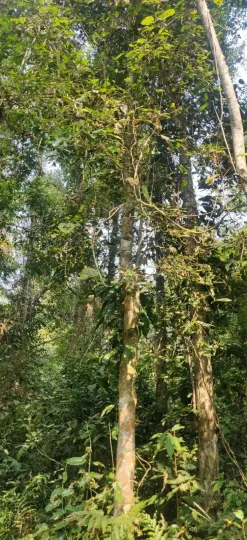
Vatica lanceifolia is an evergreen tree species belonging to the Dipterocarpaceae family. Naturally, it occurs as a medium-sized tree in the humid tropical forests of Southeast Asia, with significant populations identified in regions like Assam, where it thrives in specific ecological niches.
This crop demands extremely high levels of ambient humidity and consistent soil moisture. It is best adapted to regions with abundant annual rainfall and no pronounced dry season, which restricts its optimal growth range to lowland tropical rainforests and riverine environments.
Soil requirements for Vatica lanceifolia include deep, fertile, and well-drained alluvial soils. While the tree requires moisture, it is highly sensitive to waterlogging. Therefore, soil porosity is crucial for maintaining proper oxygen levels around the root system to prevent root decay.
Temperature remains a primary constraint for this species. As a strictly tropical plant, it thrives in environments with steady temperatures ranging from +22 to +32 degrees Celsius throughout the year. It does not tolerate cold snaps or temperatures that deviate significantly from this range.
Light requirements for this species are moderate, favoring filtered sunlight, especially during the sapling phase. While mature trees can withstand higher light intensities, they are naturally adapted to the forest understory, which protects them from direct, harsh sunlight in tropical climates.
Harvesting
The primary economic value of Vatica lanceifolia lies in its timber, which is highly regarded for its density, durability, and resistance to environmental degradation. It is traditionally used in local construction, heavy-duty building frames, and high-quality joinery products.
Harvesting operations must follow strict sustainable forestry protocols. Because several species within the Vatica genus are recognized for their ecological vulnerability, commercial harvesting is increasingly restricted to managed plantation areas rather than natural forest extraction.
Post-harvest processing involves careful seasoning of the wood. Due to the high density of the timber, it requires a slow, natural drying process to ensure dimensional stability and prevent the development of internal checks or warping after processing.
Beyond traditional timber use, there is ongoing interest in the phytochemical properties of the resin and bark. While these applications remain small-scale and largely confined to experimental research, they indicate potential for non-timber forest product development in the future.
Future agricultural efforts are focusing on the propagation of Vatica lanceifolia in controlled forest nurseries. This approach aims to secure a sustainable supply of wood while simultaneously supporting local biodiversity conservation efforts in its native tropical range.