
Vatica teysmanniana
Vatica teysmanniana
Description
Growing requirements
Vatica teysmanniana is a prominent evergreen tree species belonging to the Dipterocarpaceae family. Native to the humid tropical forests of Southeast Asia, it is highly adapted to environments with high precipitation and consistent annual temperatures.
The species requires deep, fertile, and well-drained soils to thrive. It is particularly sensitive to moisture fluctuations in its root zone, making it a demanding species for cultivation outside of its primary rainforest habitat.
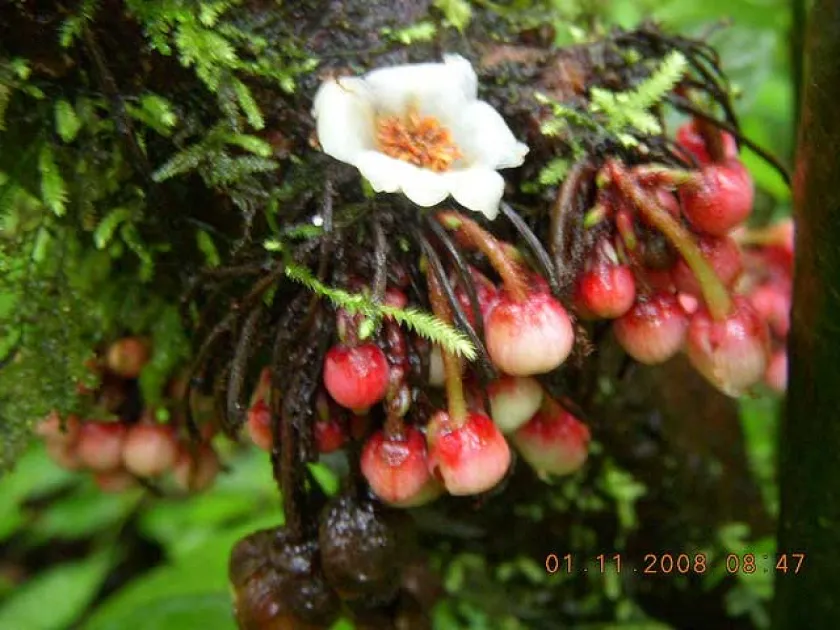
Botanically, this tree is recognized for its dense, high-quality timber and winged fruits, which facilitate seed dispersal. It plays a significant role in the structural complexity of the forest canopy, providing habitat for various fauna.
Cultivation practices are limited, as the species is primarily managed within its natural distribution range. Forest management focuses on selective harvesting and preserving the integrity of the soil layer to support natural regeneration.
The timber obtained from Vatica teysmanniana is highly valued in the construction industry due to its durability and resistance to biological decay. It remains a subject of interest for both wood technology and tropical botany.
Main diseases and pests
The primary threat to Vatica teysmanniana is deforestation caused by land conversion for agricultural use. The loss of old-growth forests directly impacts the survival rate of the species.
Pathogenic fungi pose a significant risk, particularly in juvenile trees cultivated in nursery environments. High humidity levels combined with poor airflow can lead to rapid outbreaks of root rot.
Insect pests that target the vascular tissue of the tree can compromise the health of mature individuals. Managing these pests is challenging due to the environmental sensitivity of the forest ecosystems.
Invasive plant species can easily outcompete the slow-growing Vatica teysmanniana during its sapling stage, leading to a significant decrease in population density over time.
Climate-induced changes in rainfall patterns threaten the species' long-term reproductive cycles. Droughts and irregular monsoon seasons disrupt the natural seed germination and establishment process.