
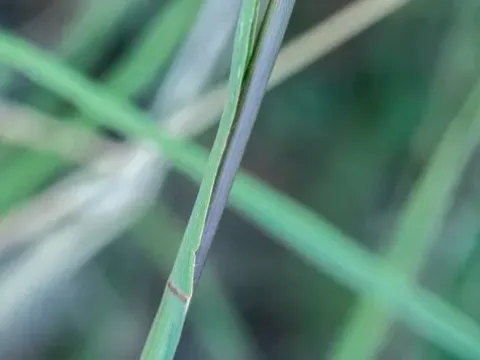
Trichloris
Trichloris
Trichloris, being a perennial herbaceous plant, is typically propagated by seeds at the onset of the rainy season or during periods of optimal soil warming. In regions of its natural distribution, sowing is carried out when temperatures consistently exceed 15–20 degrees Celsius.
What the section contains


Trichloris
The seeds of Trichloris exhibit good germination when shallowly covered in soil, which is typical for many grasses of the Poaceae family. Ensuring sufficient contact between the seed and the moist substrate is essential for successful field germination.
In agronomic practices, sowing into a prepared seedbed followed by rolling is common. This promotes moisture retention in the seed zone and accelerates the emergence of uniform seedlings.
Seeding density is calculated based on the intended use: denser schemes are chosen for hayfields, whereas a sparser sowing is permissible for pasture use, relying on subsequent vegetative spreading.
Optimal sowing dates may vary depending on the specific climatic zone, but soil moisture availability and the absence of late frost risks during the early development stage remain the primary factors.
Trichloris belongs to the Poaceae family and is a characteristic plant of arid and semi-arid zones. It demonstrates high resistance to drought periods, making it a valuable asset for agroecosystems facing water scarcity.
The crop prefers well-drained soils, including sandy loams and light loam types. It successfully adapts to conditions where other forage grasses show low productivity due to water deficiency.
The plant possesses a well-developed root system, allowing it to effectively utilize deep soil horizons. This biological trait helps Trichloris maintain its green mass even during prolonged periods without rainfall.
Soil fertility requirements for Trichloris are moderate, though the crop responds positively to nitrogen fertilization, which stimulates intensive vegetative growth during the active development phase.
Access to sunlight is critical for the plant's normal physiological activity; shading significantly reduces growth rates and the overall nutritional value of the produced fodder.
The yield of Trichloris depends directly on rainfall intensity and the level of agronomic management applied to pasture or hay lands. Under favorable conditions, the crop is capable of providing multiple cuttings per growing season.
Dry matter productivity remains stable even during drought, which distinguishes Trichloris from less adapted grass species. This makes it a crucial insurance component for the forage base in southern regions.
The quality of the harvest is determined by the plant's growth stage: the highest protein and digestible carbohydrate content is observed during tillering and before the onset of heading.
Regular fertilization and proper grazing or mowing regimes allow for the maintenance of high productivity in the grass stand for several years without the need for reseeding.
In the dietary structure of livestock, Trichloris is valued as a source of roughage, providing good dry matter volume with a moderate fiber content.
The primary threats to Trichloris are specific fungal diseases that develop under high humidity conditions during the seed ripening period. Rust or smut infections can significantly reduce the quality of the seed stock.
Harmful insects, such as aphids or various cereal flies, can attack young shoots. Strong pest infestations can lead to stunted growth and reduced overall vitality of the grass stand.
Incorrect grazing regimes, leading to overgrazing, pose a serious threat to the longevity of the crop. Excessive pressure on the pasture depletes the root system and opens the path for weed encroachment.
Weed control in Trichloris fields requires careful crop rotation and timely agronomic interventions, as the use of herbicides is not always economically justified on pasture lands.
A key factor in disease prevention is adherence to planting density standards, which ensures sufficient plant aeration and prevents moisture stagnation in the root zone.
Hay harvesting is carried out during the jointing phase or the onset of flowering. During this period, the plant possesses an optimal balance of nutrients, providing high energy value for livestock feed.
When used as pasture, rotation between paddocks is recommended to allow the plants to recover their vegetative mass after intensive grazing by livestock.
If the goal of cultivation is seed production, mowing should be performed upon reaching full maturity of the panicles. It is important to prevent seed shattering, so monitoring the spike state is a priority task for the agronomist.
After mowing, the hay must undergo a rapid drying process in windrows. Using tedders allows for uniform drying of the green mass, minimizing nutrient losses due to overheating or re-wetting.
Storage of the finished fodder should be carried out in dry, well-ventilated areas or under shelters that prevent direct contact with the soil and atmospheric precipitation.