
Trichloris crinita
Trichloris crinita
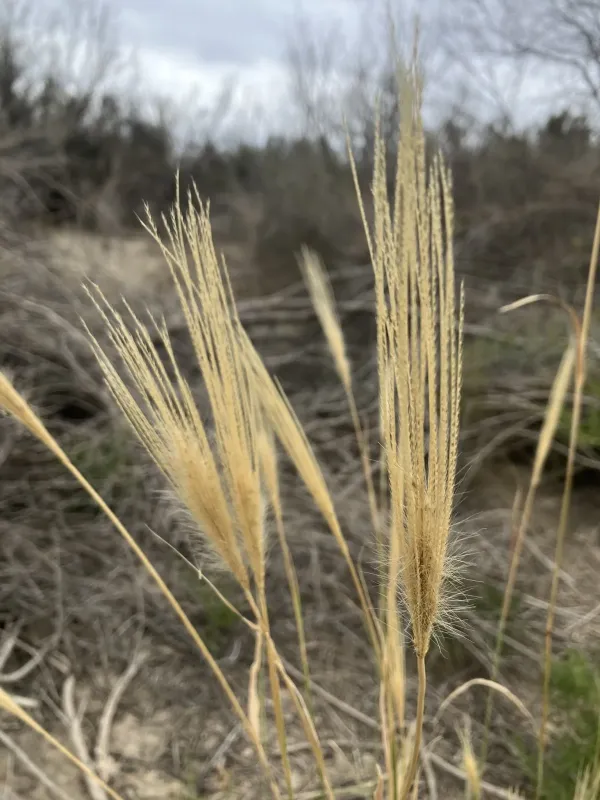
Description
Sowing dates
Trichloris crinita is a perennial grass species belonging to the Poaceae family, native to arid and semi-arid regions of North and South America.
The optimal sowing time occurs during late spring, once soil temperatures are consistently warm enough to support rapid germination and emergence.
Seeds should be planted at a shallow depth of 1–2 centimeters, as deeper burial may prevent the small seedlings from reaching the surface effectively.
Proper seedbed preparation is essential to ensure good soil-to-seed contact, which significantly improves the establishment rate in challenging environmental conditions.
In regions with predictable rainfall patterns, planting should coincide with the onset of the wet season to utilize available moisture for early root development.
Growing requirements
Trichloris crinita is highly valued for its extreme drought tolerance, allowing it to maintain growth during periods of severe water scarcity.
It thrives in well-drained sandy or sandy-loam soils and displays a notable ability to tolerate saline conditions, making it useful for marginal land restoration.
The plant requires full sun exposure to maintain high forage quality; reduced light levels often result in thinner stems and reduced tiller production.
It prefers alkaline to neutral soil conditions, with an ideal pH range of 6.5 to 8.5, and shows resilience to nutrient-poor substrates.
A deep, branched root system enables the grass to access deep-seated groundwater, providing a reliable forage supply even during prolonged heatwaves.
Yield
The total forage yield depends heavily on nitrogen availability and the management of water resources throughout the primary growing season.
Under managed grazing systems, this grass recovers quickly, allowing for multiple rotations per season if favorable climatic conditions persist.
Average biomass production can range from 3 to 8 metric tons of dry matter per hectare, depending on soil fertility and localized weather patterns.
Effective pasture rotation is the key to maintaining yield over several years, as it prevents overgrazing and protects the plant's carbohydrate reserves.
Providing moderate fertilization during the early growing phase can significantly increase the total seasonal biomass, particularly on low-fertility soils.
Main diseases and pests
Trichloris crinita exhibits strong natural resistance to most common diseases affecting forage grasses in semi-arid ecosystems.
Grasshoppers and other orthopteran insects represent the primary pest threat, as they can cause significant defoliation of the vegetative canopy.
Root rots may develop in areas with poor drainage or chronic waterlogging, which should be avoided through careful selection of planting sites.
Integrated pest management strategies should focus on monitoring insect populations during the peak growth phase to apply interventions only when necessary.
Maintenance of overall plant health through balanced nutrition is the best defense against minor pathogens that may occur during wet spells.
Harvesting
Hay harvesting should be executed during the heading phase, ensuring the best balance between protein content, digestibility, and overall volume.
When used for grazing, it is recommended to implement a rotational grazing schedule to allow the grass to regain vigor between grazing intervals.
Mechanical harvesting equipment should be set to leave at least 5–7 centimeters of stubble to preserve the crown and facilitate rapid regrowth.
The forage dries relatively quickly, allowing for efficient bale production with minimal risk of spoilage if handled under standard drying protocols.
For seed production, the crop should be harvested once the inflorescences show signs of maturity to prevent excessive seed shattering before harvest.