
Trichloris pluriflora
Trichloris pluriflora
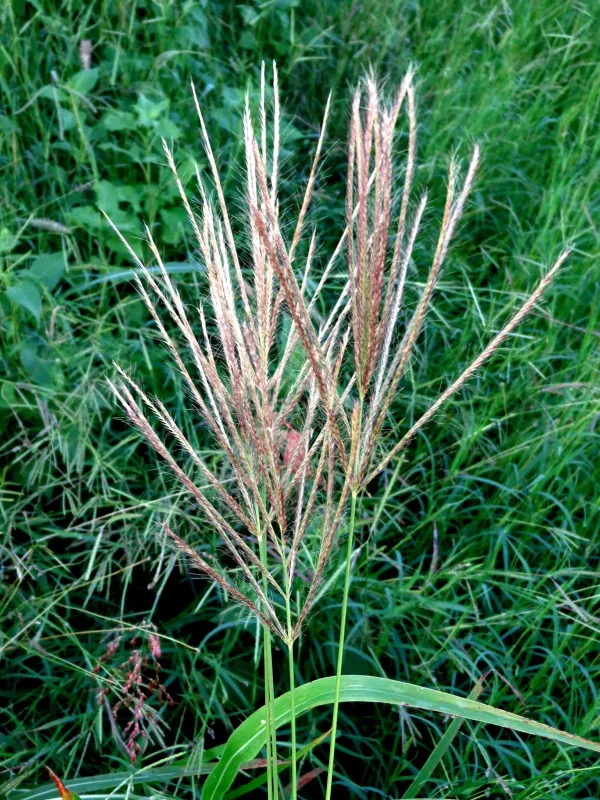
Description
Sowing dates
Trichloris pluriflora is a perennial grass species that propagates through both seeds and vegetative means. Sowing should be timed with periods of adequate moisture, typically early spring or at the onset of the rainy season, to ensure successful seedling establishment.
Seedbed preparation requires careful cultivation of the topsoil to ensure optimal soil-seed contact. Seeds should be planted at a shallow depth of 1-2 centimeters, given their relatively small size.
Due to its high self-seeding capability in natural environments, the species is excellent for restoring degraded rangelands. When establishing managed pastures, it is recommended to follow precise seeding rates to achieve uniform canopy coverage.
Rolling the soil after sowing helps prevent desiccation and promotes even germination. Early growth is moderate, necessitating proper weed control to minimize competition during the establishment phase.
The optimal soil temperature for germination ranges from 20 to 25 degrees Celsius, highlighting the plant's nature as a heat-loving species with vigorous summer growth.
Growing requirements
As a member of the Poaceae family, Trichloris pluriflora is well-adapted to semi-arid climates. It thrives in well-drained sandy or sandy-loam soils and exhibits resilience even in soils with periodic water saturation.
The plant possesses a robust root system, making it exceptionally drought-tolerant. It performs efficiently in regions with high temperatures, where other forage species might fail to sustain active growth.
Trichloris requires full sun exposure for maximum productivity and does not perform well in heavily shaded areas. It responds positively to nitrogen fertilization, particularly in nutrient-poor environments.
The species tolerates a range of soil pH levels, from neutral to slightly alkaline. It also demonstrates tolerance to mildly saline soils, expanding its utility for agricultural use in challenging terrains.
During winter months, the plant enters a dormant state, successfully surviving the temperature fluctuations typical of subtropical and tropical regions within its native distribution.
Yield
The primary economic value of Trichloris pluriflora lies in its use as a high-quality forage crop. The biomass is characterized by good palatability for livestock throughout the active growing season.
Biomass yield is directly influenced by rainfall or irrigation availability. Under optimal conditions, the crop can be harvested multiple times per season, significantly increasing overall forage output.
High protein content in the leaves and stems makes this grass an ideal component for pasture blends. It provides essential nutrition for cattle and small ruminants, supporting consistent weight gain.
Beyond its forage value, the plant serves an important soil conservation role by strengthening soil structure with its extensive root system, helping to mitigate erosion on slopes and exposed fields.
The productivity of the crop, combined with its low input requirements, makes it a competitive choice for farmers seeking sustainable alternatives to more demanding, non-native grass species.
Main diseases and pests
Trichloris may be susceptible to fungal diseases such as rusts and smuts, especially during prolonged humid and warm weather. Ensuring good airflow within the pasture canopy is essential for minimizing infection risks.
Pest threats include various insects that feed on leaves and stems, such as aphids and grass-feeding flies. Severe outbreaks of locusts or grasshoppers can cause significant damage to the standing biomass if left unmanaged.
Effective pest management involves maintaining crop rotation and timely mowing to prevent old, stagnant vegetation. Chemical interventions should be targeted and reserved for situations where pest thresholds are significantly exceeded.
While the species has a high natural immunity, overall plant health can decline under poor management conditions. Prevention through optimal pasture density remains the most effective defense strategy.
Monitoring for signs of infestation and applying sound management practices, such as controlled grazing patterns, help maintain pest populations at safe, economically non-threatening levels.
Harvesting
Harvesting for hay or silage should be completed before the seeds reach full maturity, as nutrient concentrations in the vegetative tissues are at their peak at this time. This ensures maximum feeding value per hectare.
For grazing management, it is crucial to avoid overgrazing, which depletes root reserves and weakens plant persistence. A rotational grazing system is highly recommended to allow for rest and recovery.
Hay production requires rapid drying to preserve color and vitamin content. Given the high leaf-to-stem ratio, gentle handling during mechanical harvest is necessary to minimize leaf loss.
Seed harvesting should occur on dedicated blocks after the panicles have fully matured. Because seeds are prone to shattering, timely mechanical harvesting using combine harvesters is essential.
Post-harvest, seeds must be cleaned and dried to a stable moisture content to ensure longevity in storage and high germination vigor for subsequent planting cycles.