

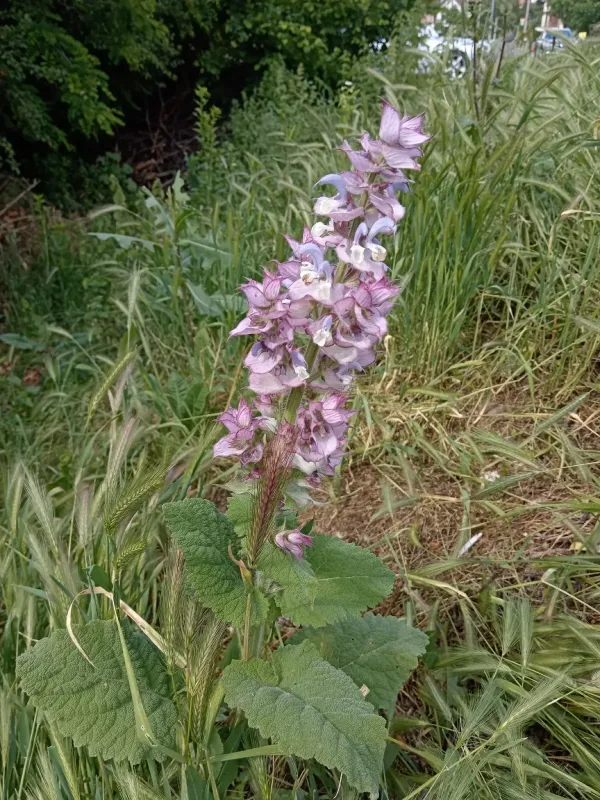
Description
Sowing dates
Clary sage (Salvia sclarea L.) is a perennial essential oil crop belonging to the Lamiaceae family. While biologically perennial, it is typically farmed on a two-year cycle to maximize essential oil yields during its peak flowering phase.
The sowing process is typically scheduled for either autumn or early spring. Autumn sowing is preferred in regions with mild winters, as it encourages early germination and faster development of the root system during the first growing season.
For industrial production, the seeds are sown in rows 60 to 70 centimeters apart. This spacing is vital for ensuring sufficient sunlight, proper air circulation, and ease of mechanical maintenance throughout the growing season.
Seed depth should remain shallow, typically around 2 to 3 centimeters, to ensure the small seeds can emerge efficiently. Proper soil-to-seed contact is crucial for establishing a uniform stand, which directly impacts later harvest efficiency.
During the first year, the crop focuses on vegetative growth, developing a large rosette of leaves. This biomass accumulation provides the necessary energy reserves for the rapid growth and flowering expected in the second year of cultivation.
Growing requirements
Clary sage thrives in well-drained, fertile soils with a neutral or slightly alkaline pH. It is highly sensitive to waterlogging, so fields with poor drainage or high water tables should be avoided to prevent root diseases.
The plant is known for its moderate drought tolerance once established, but it requires consistent moisture during the early growth stages in spring. Adequate rainfall or supplemental irrigation is beneficial for optimal biomass production.
Clary sage prefers full sun exposure. The intensity and duration of sunlight directly correlate with the development of glandular hairs on the leaves and flowers, where the valuable essential oil is synthesized and stored.
Nutrient management focuses on phosphorus and potassium, which support oil synthesis and plant resilience. Nitrogen should be applied judiciously, as excess fertilizer can lead to lush vegetative growth that is more susceptible to lodging.
Temperature stability is also a factor, though the plant is generally hardy. In colder climates, adequate mulch or snow cover helps protect the root system, ensuring the plant survives until its second year of productivity.
Main diseases and pests
Effective pest management is critical for high-quality clary sage production. The crop is susceptible to several pests that can significantly impact leaf surface area and, consequently, the final oil yield per hectare.
Key pests include the cabbage white butterfly, various types of pyralid moths, and the meadow moth. These insects can defoliate plants rapidly if not monitored and managed through timely, localized interventions.
In addition to lepidopteran pests, the crop faces pressure from gall midges, hemp flea beetles, and several species of weevils, such as the eastern striped weevil and the grey bud weevil, which damage vegetative and reproductive parts.
The alfalfa seed chalcid can also be a nuisance by damaging the reproductive organs of the plants. Integrated pest management, which includes crop rotation and the use of biological control agents, is recommended to mitigate these risks.
Disease management is equally important, particularly preventing powdery mildew. Maintaining proper spacing and ensuring excellent airflow between rows are the best preventive measures to reduce humidity-related fungal outbreaks.
Harvesting
Harvesting is performed at the peak of full flowering. At this stage, the concentration of the primary aromatic compound, linalyl acetate, reaches its maximum, providing the high quality required for the fragrance industry.
Mechanical harvesting utilizes specialized equipment designed to collect the flowering tops and upper stems. Rapid transport to the processing facility is essential to prevent the loss of volatile compounds through overheating.
Upon arrival, the raw material is processed via steam distillation. This method preserves the chemical integrity of the essential oil, which is prized in perfumery, cosmetics, and the production of high-end flavoring agents.
Beyond its essential oil, clary sage is valued in pharmacological applications for its soothing and antiseptic properties. The extracts are also used as stabilizers and aromatic enhancers in various alcoholic beverage formulations.
Post-harvest residues, after the distillation process, can be managed as organic fertilizer if handled correctly, contributing to the sustainability of the agricultural system and improving soil quality for future rotations.
In brief
15
Crop pests
Content graph
Crop pests · 15
Reference
Connections · Clary sage
Most often together:
Marketplace
Products · 6


