
Salvia microphylla
Salvia microphylla Kunth
Description
Sowing dates
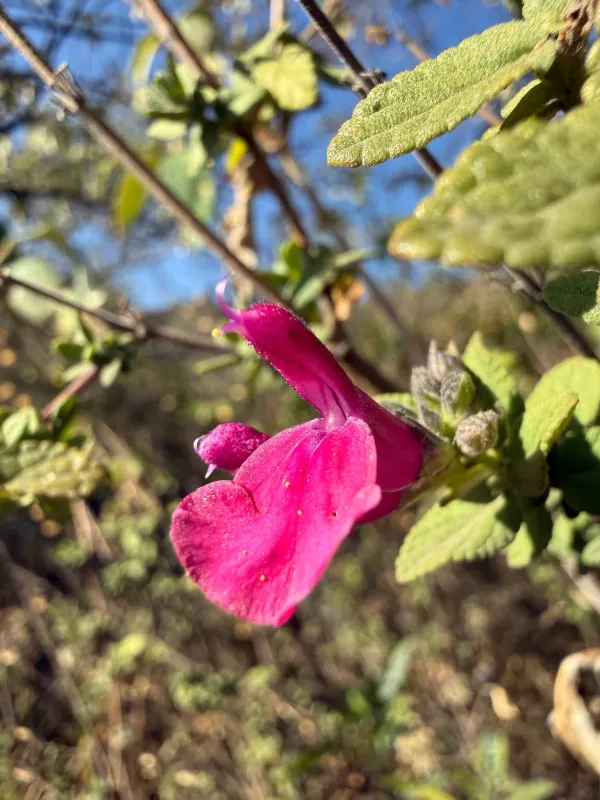
Salvia microphylla, commonly known as baby sage, belongs to the Lamiaceae family. For optimal propagation, seeds should be sown in late winter indoors to ensure well-developed plants by the spring planting season.
The seeds require a warm environment and stratification for uniform germination. A temperature range of 20 to 22 degrees Celsius is ideal for establishing strong seedlings in a greenhouse setting.
Transplanting into the field should occur only after the danger of frost has passed. Adequate spacing of 45–60 centimeters is recommended to facilitate airflow and reduce humidity around the base of the plant.
Propagation via cuttings is the most common commercial practice. Semi-hardwood cuttings taken during the mid-summer months root reliably in well-draining soil mixtures.
Establishing the crop in a location with full sunlight is critical for vigorous growth. This species responds well to structured planting programs designed for ornamental landscapes.
Growing requirements
Native to the mountains of Mexico, this species thrives in climates with warm days and mild winters. It requires soil that is gritty, well-draining, and slightly alkaline for optimal health.
Heavy soils prone to compaction must be amended with grit or perlite to avoid root rot. Good drainage is the most significant factor in the long-term survival of the crop.
Watering requirements are moderate; while established plants are drought-tolerant, supplemental irrigation during extreme heat waves improves overall foliage color and flower production.
Fertilization should be applied sparingly, as high nitrogen levels promote weak growth and reduce the plant's natural resistance to cold and environmental stress.
In regions where temperatures drop below freezing for extended periods, winter protection or container-based cultivation is necessary to maintain the longevity of the perennial stock.
Main diseases and pests
Common pests include spider mites and whiteflies, especially during periods of dry, stagnant air. These insects can quickly sap the vitality of the plant if left unchecked.
Fungal issues, such as powdery mildew, often arise due to overcrowding and lack of ventilation. Implementing proper pruning techniques is essential to maintain a healthy canopy.
Integrated pest management strategies should prioritize mechanical removal and biological controls. Chemical applications should be limited to avoid harming beneficial pollinators.
Root rot is a persistent threat in poorly drained soils. Monitoring soil moisture levels and ensuring proper irrigation techniques are the most effective preventative measures.
Regular maintenance, including the removal of dead foliage and spent flower spikes, reduces the habitat available for pests and improves the overall resilience of the crop.