
Chinese salvia
Salvia miltiorrhiza Bunge
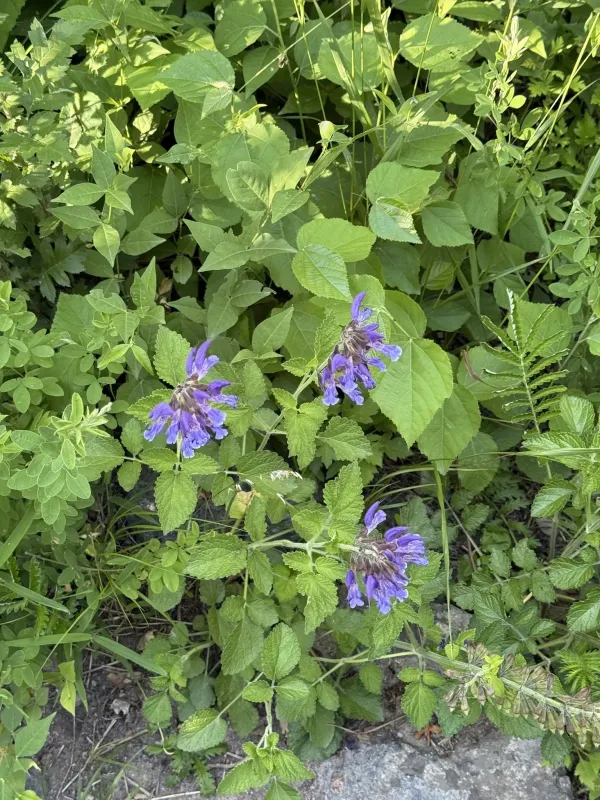
Description
Sowing dates
Sowing typically takes place in early spring once the soil temperature is consistently above 12-15 degrees Celsius. Pre-treatment of seeds via cold stratification for several weeks significantly enhances germination rates.
Vegetative propagation using root cuttings or division is also common in commercial settings. This method ensures consistent genetic traits and often results in faster crop establishment compared to seed sowing.
When sowing seeds, they should be placed at a depth of 1-2 cm. Maintaining consistent soil moisture during the initial 20 days is critical for achieving uniform emergence of young seedlings.
The optimal plant density is vital to avoid overcrowding. A spacing of 40-50 cm between rows and 20-30 cm between individual plants ensures sufficient air circulation and light penetration for the plants.
The first year of growth is primarily focused on developing the vegetative root mass. Farmers must monitor the crop closely during this time, ensuring that the soil remains free of weeds and adequately fertilized.
Growing requirements
Chinese salvia prefers fertile, well-drained sandy or loamy soils with a neutral pH. Heavy clays should be avoided, as they restrict root development and lead to high moisture retention, which can cause root rot.
The plant is drought-tolerant once established but requires consistent moisture during the peak growth season. Excess standing water is detrimental, so fields must be designed with proper drainage channels.
Sunlight is the most critical requirement for high-quality production. Shaded areas result in lower concentrations of active ingredients, reducing the final market value of the harvested root product.
The climate should be moderate, avoiding extreme heat or freezing temperatures. In regions with harsh winters, covering the crop with a layer of mulch or straw can protect the roots from frost damage.
Fertilization management should favor root development. Phosphorus and potassium are the most important elements, while excessive nitrogen should be limited to prevent overly lush vegetative growth at the expense of root density.
Yield
Yield depends heavily on the duration of the crop cycle and the quality of the soil. While some farmers harvest after two years, three-year-old roots are often preferred due to higher content of bioactive compounds.
Under intensive cultivation, expected dry root yields range from 2 to 4 tons per hectare. High-quality production is judged not just by weight, but by the potency of the chemical extracts obtained from the crop.
Farm management techniques, such as regular weeding and soil loosening, are key to maximizing biomass. Clean, well-tended fields lead to higher yields and lower instances of mechanical damage to the roots.
Post-harvest efficiency is also part of the yield equation. Proper handling and quick processing prevent the degradation of heat-sensitive compounds that characterize high-quality Danshen roots.
Grading the harvested roots according to size, color, and concentration of active ingredients allows farmers to maximize their revenue by meeting the standards of high-end pharmaceutical buyers.
Main diseases and pests
Root rot is the most serious threat, typically triggered by waterlogging and poor soil aeration. Pathogenic fungi thrive in stagnant moisture, making site selection and drainage the most critical preventive measures.
Powdery mildew may occur on the leaves during hot, humid spells. Integrated pest management, including fungicide application or botanical extracts, can help control outbreaks without affecting the root's quality.
Pests like aphids and spider mites can weaken young plants. Regular monitoring of the foliage allows for early intervention before the infestation affects the overall vigor of the root system.
Root-knot nematodes can cause significant damage to the taproot, rendering the crop unsalable. Crop rotation, avoiding planting in fields previously occupied by Solanaceae, is the best strategy for control.
Weeds compete for nutrients and light while acting as reservoirs for pests and diseases. Maintaining a clean field environment is the simplest yet most effective way to protect the crop's long-term health.
Harvesting
The harvest occurs in late autumn, once the foliage has withered naturally. This timing ensures that the roots have reached their peak accumulation of active medicinal components.
Mechanical harvesting is preferred for large fields, provided the equipment is calibrated to lift the roots without bruising them. Bruised roots are prone to rapid decay and lower market grades.
Initial processing requires washing the roots thoroughly with clean water to remove soil. This must be done carefully to keep the roots intact and to prevent contamination with surface pathogens.
Drying is a critical stage. The roots should be dried in controlled conditions at temperatures no higher than 50 degrees Celsius to prevent the degradation of delicate chemical compounds.
Storage should be in a cool, dry, and dark environment to maintain quality. Properly dried and stored roots can remain viable for several years while retaining their active medicinal profile.