
Salvia aethiopis
Salvia aethiopis L.
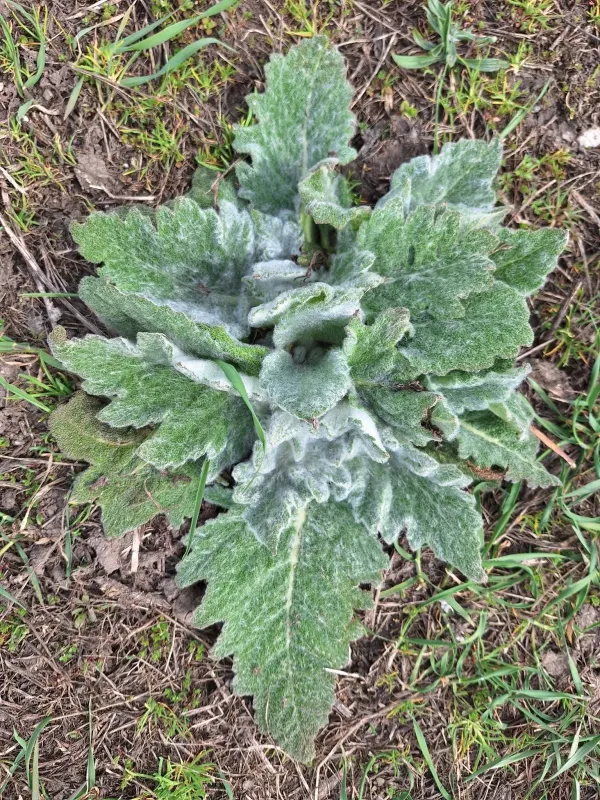
Description
Sowing dates
Salvia aethiopis is typically managed as a biennial crop, requiring sowing in early spring once the soil temperature is suitable for consistent seed germination.
The seeds should be sown at a shallow depth of 1–2 centimeters, as they require a certain amount of light to trigger optimal germination and emergence rates.
A sowing rate adjusted for row spacing, usually around 45–60 centimeters, ensures that each plant has enough space to develop its initial large leaf rosette.
Field preparation involves creating a fine seedbed to ensure good soil-to-seed contact, which is vital for the crop during its establishment phase in the field.
Successful establishment during the first year is key, as the plant focuses primarily on root development and foliage production before flowering in the second year.
Growing requirements
Ethiopian sage is highly tolerant of drought and prefers full sun exposure, making it an excellent candidate for cultivation in arid and semi-arid regions.
The plant thrives in well-drained, lime-rich, or neutral soils and struggles significantly in heavy clay or waterlogged areas where root rot is highly prevalent.
It displays remarkable hardiness, capable of surviving cold winters, which allows it to be grown across a wide range of temperate and continental climates.
Low-fertility soils are generally acceptable for this species, though supplemental potassium can enhance the overall vigor and oil content of the herb.
The species is well-adapted to rocky, open habitats, implying that it requires minimal irrigation once the plants have established a deep, functional root system.
Yield
Yield potentials are optimized during the second year of growth when the plant produces its characteristic robust, branched flowering stems and dense foliage.
Producers can expect sustainable yields of dried leaf and flowering material if plant density is maintained through proper thinning and weed management practices.
The concentration of essential oils is highly dependent on environmental conditions, specifically intense sunlight, which favors the biosynthesis of plant secondary metabolites.
Harvesting at the correct phenological stage ensures that the dry matter yield meets market quality standards for both medicinal and industrial oil extraction.
On average, experienced growers can achieve significant volumes of biomass per hectare, provided that pests and competing weeds are adequately suppressed.
Main diseases and pests
Fungal pathogens such as root rot and powdery mildew represent the primary threats, especially when environmental conditions include high humidity and poor drainage.
Insect pests, including various leaf-eating beetles and mites, can cause damage to the rosette foliage during the early stages of plant development.
Weed control is the most critical management activity, as the plants can be easily outcompeted for resources during their slow growth phase in the first year.
Integrated Pest Management (IPM) strategies are recommended to mitigate damage while maintaining the safety and purity of the harvested medicinal raw materials.
Monitoring for signs of infestation or disease allows for timely intervention, preventing localized outbreaks from spreading across the entire cultivated area.
Harvesting
The harvest should take place during the full-flowering stage, as this is when the active compounds and essential oils reach their maximum concentration in the plant.
Mechanical harvesting is generally used for large plantations, cutting the flowering stalks at a height that avoids damaging the crown of the biennial plant.
Post-harvest processing requires immediate transfer to drying facilities to prevent moisture buildup and potential degradation of volatile aromatic compounds.
Controlled air drying at temperatures below 45 degrees Celsius is essential for preserving the chemical integrity and market value of the harvested biomass.
Final storage conditions must be cool, dry, and dark to protect the dried material from humidity, mold growth, and direct ultraviolet light exposure.