
Salvia buchananii splendens
Hybrids between Salvia buchananii and Salvia splendens
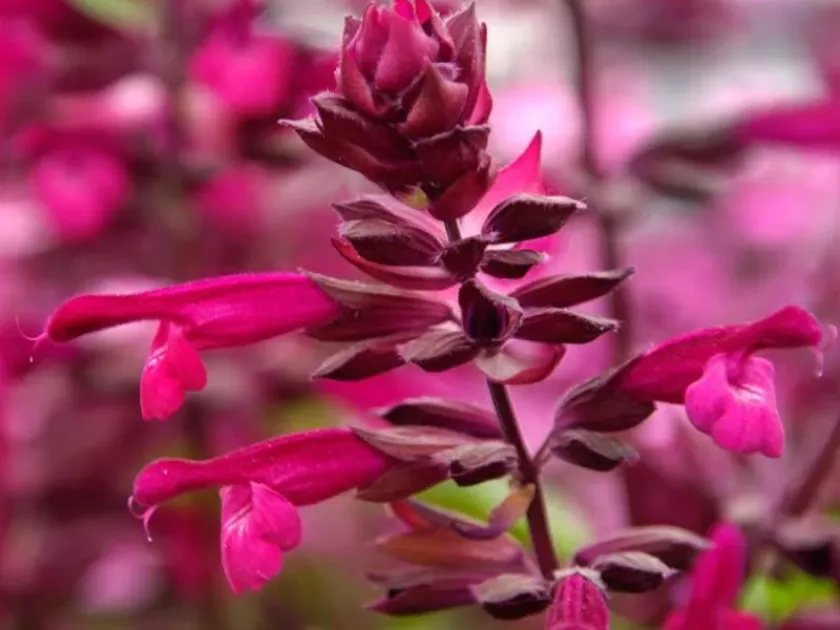
Description
Sowing dates
The Salvia buchananii x Salvia splendens hybrid is a decorative cultivar known for its unique floral characteristics and hybrid vigor. Because it is a hybrid, vegetative propagation through cuttings is the preferred method to ensure that all offspring retain the parent plant's specific traits.
Cuttings should be harvested in late winter from healthy, vigorous mother plants. These are then placed in a sterile propagation medium that allows for high aeration, promoting rapid root development within 2–3 weeks.
In cases where seeds are produced, they should be sown in early spring inside a greenhouse. They require a stable temperature of approximately 20°C for consistent germination, which typically occurs within two weeks.
Transplanting seedlings to individual pots is necessary once the first true leaves have fully developed. This stage requires careful handling to prevent damage to the delicate root system of the young plants.
Before moving the plants to their final outdoor location, a hardening-off process is essential. This helps the foliage and stems adjust to outdoor solar intensity and fluctuating environmental conditions.
Growing requirements
This Salvia hybrid thrives best in well-draining, nutrient-rich soils with a slightly acidic to neutral pH. Proper soil preparation is critical, as heavy clay soils will prevent the necessary oxygen flow to the roots.
Full sun exposure is vital for this plant to exhibit its maximum floral potential and vibrant color saturation. When placed in partial shade, the plant tends to lose its compact, upright habit and may become leggy.
Irrigation management should balance moisture needs while avoiding waterlogged soil. Deep watering that reaches the entire root zone is more effective than frequent light sprinkling, which only promotes shallow root growth.
Fertilization with a balanced, water-soluble fertilizer is recommended throughout the active growing season. Applying fertilizer at half-strength every two weeks provides a consistent nutrient supply without risking salt burn.
Regular pinching of the terminal stems encourages lateral branching, leading to a bushier plant with more flowering stalks. This simple technique significantly enhances the visual impact of the specimen in garden beds.
Main diseases and pests
Whiteflies and spider mites are the most common pests affecting this sage hybrid. These insects thrive in warm, dry environments and can cause severe damage to leaf tissue if left untreated by standard agricultural practices.
Effective pest management involves the alternating use of targeted insecticides to prevent the buildup of resistance. Regular scouting is necessary to identify infestations before they reach economic threshold levels.
Fungal issues such as powdery mildew can occur, especially in regions with high humidity or poor air circulation. Improving plant spacing is a primary cultural method to reduce the risk of such infections.
Root rot, caused by various soil-borne pathogens, is typically a result of poor drainage or overwatering. Maintaining a strict irrigation schedule is the most effective preventative measure against these issues.
The removal of spent blooms and sanitation of the surrounding soil are critical in limiting the spread of diseases. A clean environment is the foundation of long-term health for this decorative culture.