
Lyre-leaf sage
Salvia lyrata L.
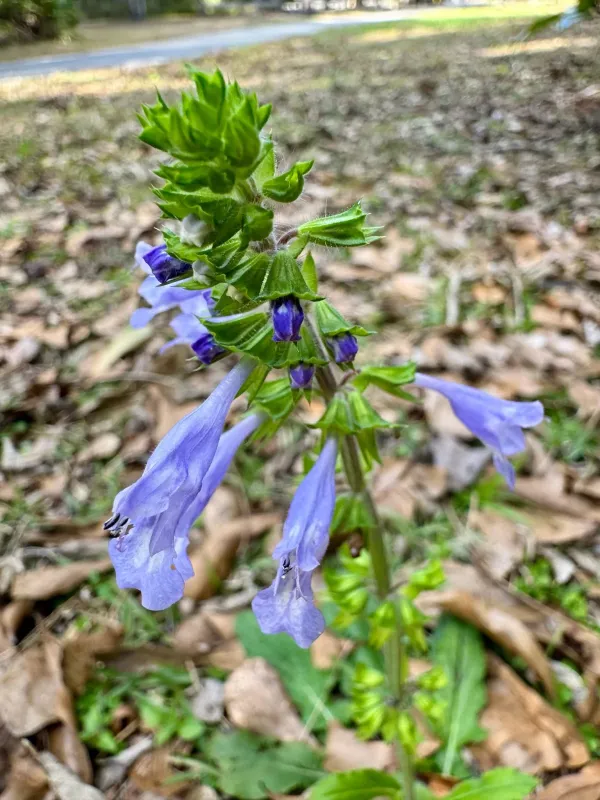
Description
Sowing dates
Salvia lyrata, commonly known as lyre-leaf sage, is a herbaceous perennial belonging to the Lamiaceae family. It is widely cultivated for its medicinal properties and its utility as a ground cover in specific agricultural systems.
The optimal sowing time for this crop is early spring, once the soil temperatures stabilize. Direct seeding is preferred, as the plant establishes a deep taproot early in its development cycle.
Seeds should be planted at a shallow depth of approximately 0.5 centimeters. It is essential to keep the seedbed consistently moist during the germination phase to ensure a high rate of emergence.
Row spacing should be maintained at 45 to 60 centimeters to allow for adequate airflow and weed control operations. Proper spacing is a critical factor in preventing moisture-related fungal issues.
In the first year, the plant primarily produces a basal rosette of lyre-shaped leaves. Full maturity and reproductive development typically occur during the second season of growth.
Growing requirements
Lyre-leaf sage thrives in full sun but can tolerate partial shade in hotter climates. It is highly adaptable to various soil types, provided they offer excellent drainage to prevent root rot.
The plant prefers slightly acidic to neutral soil conditions. Incorporating organic matter during site preparation can significantly improve the quality and yield of the harvested foliage.
Although it exhibits good drought tolerance once established, consistent moisture is required during the active growth period to maximize biomass production.
Proper aeration is essential for the root system, which can be achieved through regular inter-row cultivation. This practice also serves as an effective method for managing competing weeds.
The crop is relatively hardy and can survive a wide range of temperatures, making it a versatile choice for various geographic regions. However, extreme winter conditions may require protective mulching.
Main diseases and pests
Root rot is the most common threat, primarily caused by waterlogged soil conditions. Proper soil drainage and avoiding over-irrigation are the primary preventive measures against this issue.
Powdery mildew can occur in dense plantings with high humidity and poor air circulation. Management involves thinning the plants and ensuring sufficient spacing between rows.
Aphids and spider mites are potential pests that can cause foliage damage if left unchecked. Integrated pest management, including the use of beneficial insects, is highly recommended.
Slugs and snails can be problematic, particularly for young plants in moist, temperate climates. Physical barriers are often sufficient to keep these pests away from the crops.
Maintaining a strict crop rotation cycle of at least 4 years helps break the life cycles of soil-borne pathogens and minimizes the impact of potential disease outbreaks.
Harvesting
Harvesting the leaves is typically performed at the onset of the flowering stage. This timing ensures the highest concentration of phytochemicals and essential oils in the plant tissues.
The crop is harvested by cutting the stems at a height of 8 to 10 centimeters above the ground level. This technique allows for potential regrowth under favorable environmental conditions.
Post-harvest processing requires immediate drying in a shaded, well-ventilated environment. Maintaining drying temperatures below 40 degrees Celsius is critical to preserve the aromatic qualities.
Properly dried leaves should be crisp and retain a vibrant color. Excessive heat during the drying process will lead to the loss of volatile oils, reducing the market value of the crop.
Storage should take place in airtight containers kept in a cool, dark location. Under these conditions, the shelf life of the dried product can be extended up to two years.