

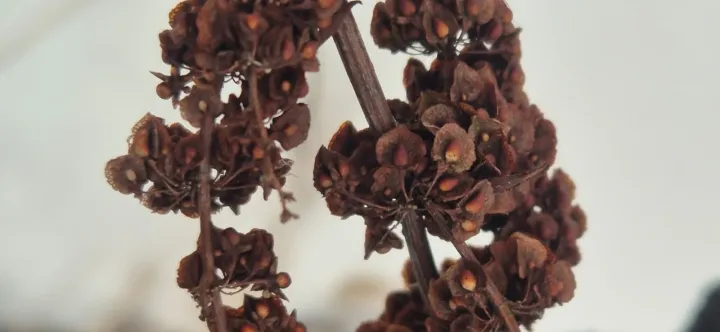
Description
Sowing dates
Curly dock, known botanically as Rumex crispus, is a hardy perennial belonging to the Polygonaceae family. Sowing is typically performed in the early spring once soil temperatures have reached adequate levels for germination.
Autumn sowing is also a viable option in many climates, allowing the seeds to undergo natural stratification over the winter months. Seeds should be placed at a depth of 1–2 centimeters in well-tilled, moist soil to ensure optimal contact.
This species is highly persistent and competitive, requiring careful spacing management to ensure proper development. A spacing of 30–40 centimeters between rows is recommended for field-scale production.
The plant demonstrates high adaptability to various soil structures but prefers sites with good nutrient content. Proper seedbed preparation is essential to reduce competition from other fast-growing species.
Once established, the crop develops a deep taproot system, which contributes to its resilience in diverse environments. Effective planning of the sowing density is crucial for maximizing yield in agricultural settings.
Growing requirements
Rumex crispus is highly demanding regarding soil moisture and thrives in areas with high water tables. It is well-adapted to loamy and clay soils but generally avoids excessively dry or coarse-textured environments.
The plant is extremely cold-hardy, surviving even severe winters without significant damage. Its ability to tolerate periodic waterlogging makes it a suitable candidate for poorly drained agricultural land.
Optimal growth is achieved in sunny locations, although the plant exhibits moderate shade tolerance. Soil pH should ideally be in the neutral to slightly acidic range for the best nutrient uptake.
Regular cultivation and weeding are necessary during the early stages of plant growth. Because the plant is a prolific seed producer, managing the seed bank in the soil is an important part of the long-term maintenance.
Fertilization with nitrogen-based amendments significantly boosts the biomass production of the foliage. Balanced nutrition helps the plant maintain high leaf quality throughout the active growing season.
Yield
The biomass yield of curly dock is highly dependent on the frequency of harvesting and the availability of soil nitrogen. Several cuttings per season are possible under ideal growing conditions.
In well-managed plots, yields can reach significant volumes per hectare, though this varies based on irrigation and soil health. Consistent moisture is the primary driver for maintaining high leaf production.
Renewal of the plantation every few years is recommended to keep the yield stable. As plants age, the foliage may become tougher and less suitable for specific uses, necessitating a rotation strategy.
Timing the harvest before the onset of flowering is essential for quality control. Once the plant enters the reproductive stage, nutrient distribution shifts, and leaf tenderness decreases rapidly.
Proper nutrient management ensures that the plant recovers quickly after each cutting. This allows for a sustained yield cycle over the course of the entire vegetation period.
Main diseases and pests
The crop is susceptible to several fungal diseases, including rust and powdery mildew, especially during humid weather conditions. These pathogens can significantly affect leaf appearance and biomass quality.
The dock leaf beetle is a major insect pest that feeds on the foliage, often causing extensive damage to commercial crops. Integrated pest management, including natural predators, is recommended.
Soil-borne pests like wireworms can damage the taproot, weakening the plant and making it prone to other infections. Deep autumn plowing is a common method for reducing their population.
Slugs and snails can present a challenge for young plants during wet springs. Protective barriers or traps can be used to manage their numbers without excessive chemical input.
- Regular inspection of leaf surfaces
- Crop rotation to break pest cycles
- Maintaining clean equipment
- Early detection of blight symptoms
Harvesting
Harvesting begins when the foliage rosette reaches an appropriate size, usually around 15–20 centimeters in height. Cutting must be performed carefully to preserve the crown of the plant for future regrowth.
Mechanized harvesting tools should be calibrated to avoid cutting too low, which could damage the central growing point. Proper harvesting techniques ensure the longevity of the plant population.
Post-harvest management is critical; leaves should be cooled rapidly to preserve freshness and vitamin content. Quick handling prevents wilting and maintains the market value of the harvested material.
The final harvest should be completed at least a month before the first hard frost. This interval allows the plant to relocate energy reserves into the roots, ensuring survival through the winter.
Proper sorting and packaging processes are required to remove damaged leaves and debris. High-quality harvests are characterized by tender, vibrant foliage gathered at the peak of the vegetation stage.
Reference
Connections · Curly dock
Most often together:
Marketplace
