
Long-leaved dock
Rumex longifolius DC.
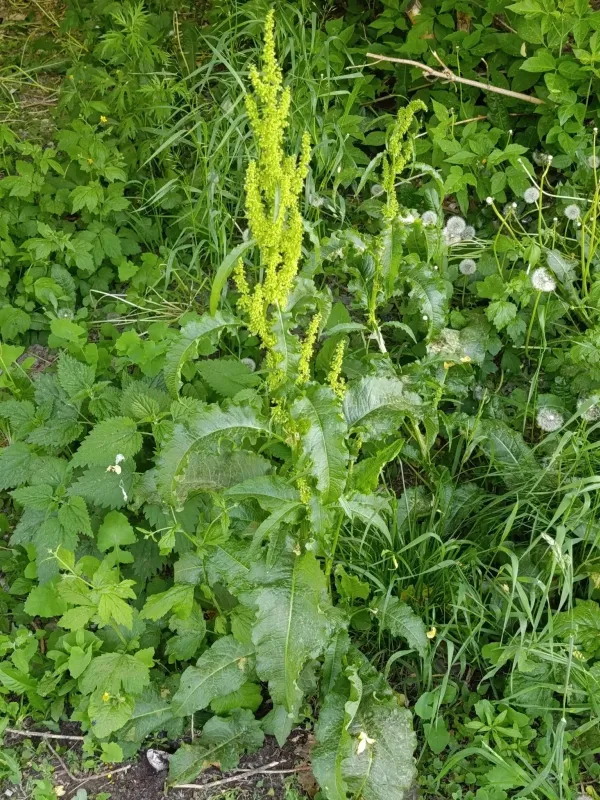
Description
Sowing dates
Long-leaved dock (Rumex longifolius) is a hardy perennial belonging to the Polygonaceae family. It is typically sown in early spring as soon as the soil is workable, or in late autumn to ensure early germination when the temperatures rise in the following spring.
Seeds should be planted at a shallow depth of approximately 1.5 to 2 cm, with spacing between rows kept at about 25–30 cm. This spacing allows the plant to form a robust rosette of leaves without excessive competition for nutrients and sunlight.
The species is highly resilient and well-adapted to cooler climates, showing excellent winter hardiness. No specialized covering is required to protect the plants during the winter season, as the root system remains viable in frozen ground.
Sufficient soil moisture is critical during the initial germination phase. If planting in summer, consistent watering is essential to prevent the seedlings from drying out before they can establish a firm grip on the soil.
For commercial production or home garden beds, it is advisable to replant or rejuvenate the stand every three to four years. Over time, the root crown becomes congested, which can lead to smaller leaves and a reduction in overall harvest quality.
Growing requirements
The plant thrives in fertile, well-drained loamy soils. While it is quite adaptable, it performs best in neutral to slightly acidic pH levels. Incorporating organic compost during soil preparation is highly recommended to improve structure and nutrient content.
Although it can tolerate various light conditions, full sun is ideal for promoting rapid leaf development and increasing the concentration of beneficial vitamins. Some partial shade is acceptable but may result in slower growth rates.
Good soil drainage is a primary requirement. Despite its ability to grow in moist environments, the plant does not tolerate waterlogging, which can cause root rot and significantly weaken the plant's health.
The climate requirements for this species are relatively moderate, as it naturally occurs in temperate zones. It is highly resistant to cold weather and can handle significant temperature fluctuations during the growing season.
Maintenance involves routine weeding to ensure the plant has enough space and resources. Keeping the surrounding area free of weeds reduces competition and helps prevent the buildup of pests or diseases common in overgrown garden patches.
Main diseases and pests
The most common pest affecting the crop is the dock leaf beetle, which feeds on the leaves and can skeletonize the plant if left unchecked. Frequent monitoring is the best defensive measure for organic cultivation.
Aphids are another potential threat, often colonizing the undersides of leaves and sucking sap. Introducing beneficial insects or using mild horticultural soaps can effectively control small infestations before they spread.
Fungal diseases, such as downy mildew, are more prevalent in seasons with high humidity or in dense, poorly ventilated plantings. Ensuring adequate spacing between plants is a crucial preventive step.
Rust, characterized by orange pustules on the leaf surface, can lower the quality of the greens. Infected leaves should be picked and destroyed away from the garden to minimize the spread of fungal spores.
Root health is vital for long-term survival. Avoiding waterlogged soil and providing proper aeration around the base of the plant will prevent the development of root rots that are often associated with stagnant water.
Harvesting
Harvesting usually begins when the leaf rosettes reach a height of 15–20 cm. Leaves are gathered by cutting them with a sharp knife about 3–5 cm above the soil surface, ensuring the central growing point remains intact for future regrowth.
Depending on the growing conditions, 3 to 4 harvests can be made throughout the season. It is important to harvest before the leaves become overly mature and coarse, which typically happens if they are left on the plant for too long.
Post-harvest care includes light cultivation and watering to stimulate the growth of new leaves. Small applications of fertilizer can be added after major harvests to replenish the energy reserves of the plant.
The harvested greens are highly perishable and should be cooled or used quickly after picking. For longer storage, the leaves can be blanched and frozen, or processed into preserves for year-round consumption.
The final harvest of the year should occur at least one month before the first hard frost. This allows the plant to redirect its energy back into the roots, ensuring it remains strong and healthy for the following spring season.