
Sheep sorrel
Rumex acetosella L.
Description
Sowing dates
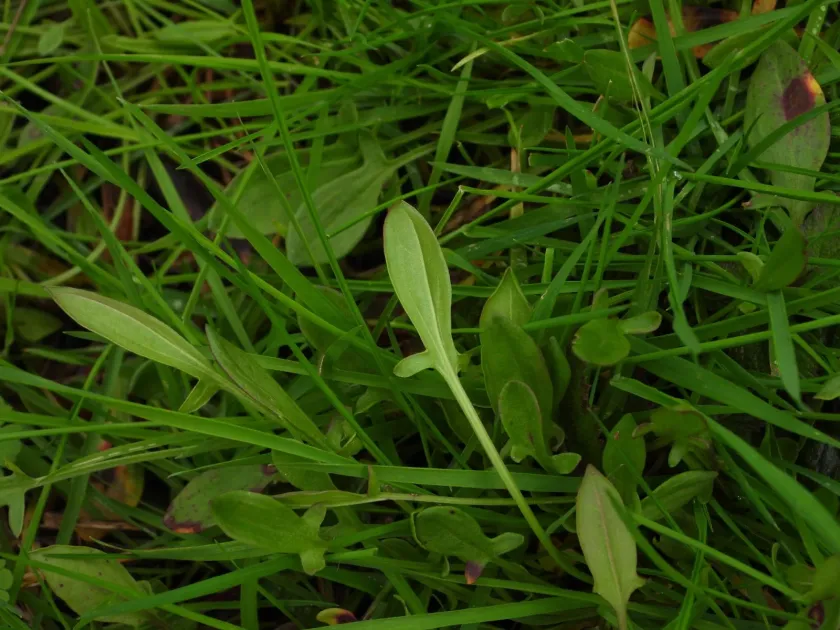
Sheep sorrel, scientifically known as Rumex acetosella, belongs to the Polygonaceae family. It is a hardy, rhizomatous perennial that is often recognized for its distinct arrow-shaped leaves and reddish flower stalks, serving both as an edible wild plant and a medicinal resource.
When cultivated, seeds should be sown in the early spring or late autumn to allow for proper establishment. Sowing is typically performed at a shallow depth of approximately 1 cm, ensuring that the seeds maintain good contact with the soil to promote consistent germination and early vigor.
Growing requirements
The crop thrives in acidic and nutrient-poor soils, making it highly suitable for marginal lands where other crops fail to perform. It prefers sunny locations and exhibits excellent tolerance to sandy or rocky textures, though it responds well to consistent moisture levels during the peak growth period.
Sheep sorrel is remarkably climate-resilient, showing high cold tolerance. It adapts well to various temperature ranges, but optimal leaf production is achieved in temperate environments with sufficient sunlight. Excessive shading should be avoided to prevent the plants from becoming leggy and less productive.
Yield
The yield of sheep sorrel is generally modest compared to cultivated garden sorrel varieties. However, in optimized cultivation systems, the biomass can reach 6–10 tons per hectare. Its high nutritional content makes it a valuable niche crop for specific markets and food processing industries.
Main diseases and pests
Common threats include leaf spot diseases and rust, particularly in stagnant, humid environments. Insect pests such as the sorrel leaf beetle can cause significant defoliation, while aphids may damage the succulent young leaves, potentially affecting both the yield volume and the aesthetic quality of the harvest.
Harvesting
Harvesting should be conducted before the onset of flowering to maintain the best flavor and nutritional profile of the leaves. Frequent harvesting of the younger foliage encourages continuous regrowth throughout the growing season, allowing for multiple cuts that provide a steady supply of fresh product.