
Water dock
Rumex hydrolapathum Huds.
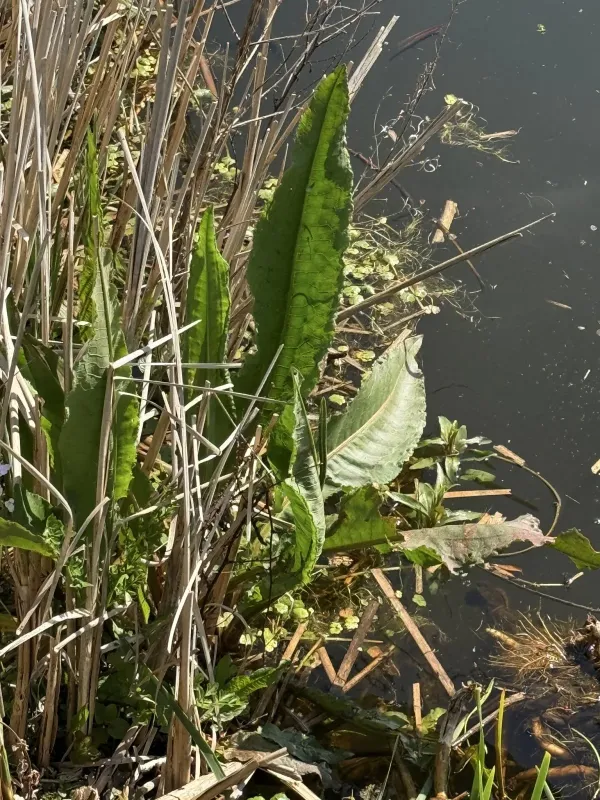
Description
Growing requirements
Water dock (Rumex hydrolapathum) is a large perennial herbaceous plant belonging to the Polygonaceae family. It stands out as one of the largest species within the dock genus, often reaching heights of over two meters.
The species is native to Europe and Western Asia. It is a strictly aquatic or semi-aquatic plant, commonly found in river margins, fens, and stagnant water bodies, which defines its ecological niche and cultivation requirements.
In terms of soil and climate, the plant thrives in damp, nutrient-rich soils such as silts and peat. It is highly adapted to waterlogged conditions, making it an excellent candidate for ecological restoration of wetlands and riverbank stabilization.
Botanically, the plant is characterized by a thick rhizome, lanceolate leaves, and tall stems bearing dense panicles. These structural features allow it to persist in environments that would be lethal to typical terrestrial crop species.
The primary agricultural and economic utility involves the pharmaceutical extraction of tannins and the use of the plant in landscape architecture for creating naturalistic riparian buffers in aquatic gardens.
Main diseases and pests
Water dock is generally resilient, but it can be affected by pests such as the dock leaf beetle (Gastrophysa viridula), which feeds on the foliage and can lead to significant aesthetic and physiological damage.
Fungal diseases, including leaf rust and various leaf spot pathogens, may occur if the plants are subjected to stagnant, humid air or poor hygiene conditions within the planting site.
Environmental stressors such as habitat drying, eutrophication, or significant changes in water quality can negatively impact plant vitality and long-term survival in specific areas.
Competition from invasive species is a significant factor in wild populations, where faster-growing weeds might overshadow the young docks during their critical establishment phase.
Management strategies should focus on maintaining natural water flow and regular monitoring for signs of infestation to ensure the health and productivity of the plant stand.