
Spinach dock
Rumex patientia L.
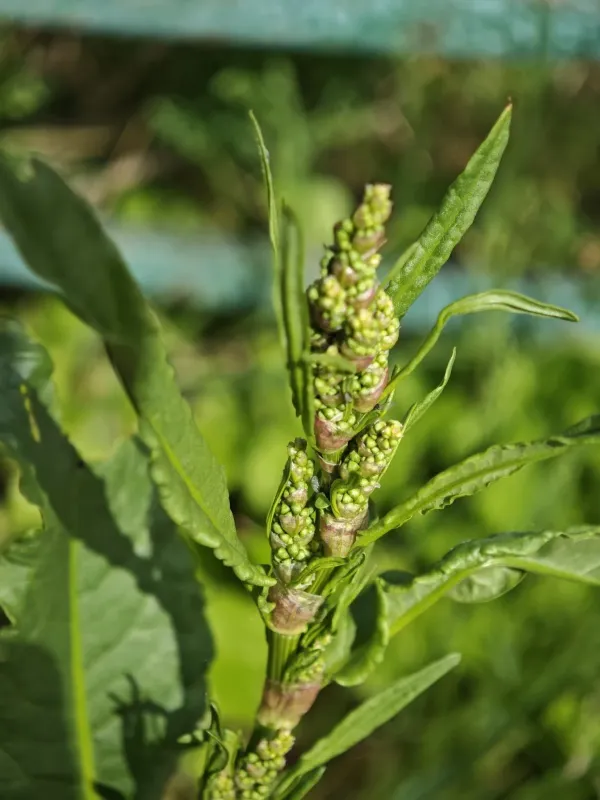
Description
Sowing dates
Spinach dock is a perennial herbaceous plant belonging to the Polygonaceae family. Sowing is typically carried out in early spring, as soon as the soil can be worked, or in late autumn to ensure an early harvest in the following growing season.
The seeds are sown at a depth of 1-2 centimeters in rows spaced 20-30 centimeters apart. The plant exhibits excellent germination vigor, allowing for quick establishment even under cooler climate conditions during early spring.
In the first year, the plant focuses on developing a robust root system and a dense basal rosette of leaves. It is essential to maintain proper spacing to prevent overcrowding, which can hinder the growth of individual plants.
Preparing the soil with well-rotted organic matter in the previous autumn is crucial for optimal results. Spinach dock thrives in fertile conditions and benefits from pre-planting soil enrichment with compost or manure.
Using precision seed drills is recommended for large-scale production to ensure uniform plant distribution. Proper seed density helps minimize the need for thinning and contributes to higher overall crop productivity.
Growing requirements
Spinach dock prefers moderately moist, fertile loamy or sandy loam soils with a neutral to slightly acidic pH level. It is important to select sites that offer good drainage, as waterlogging is detrimental to root health.
This species is highly cold-hardy, capable of surviving harsh winters once established. However, for continuous and vigorous foliage growth, it requires adequate sunlight and a steady supply of moisture throughout the season.
Regular irrigation is vital during dry periods to maintain leaf tenderness and prevent early bolting. Drought stress triggers the plant's reproductive cycle, leading to tough, inedible leaves and reduced market value.
Nutritional management is key; nitrogen-rich fertilizers stimulate green leaf development, while potassium improves plant resilience. Fertilizing should be done after each harvest to support the regrowth of new foliage.
Weed control is essential, especially in the early growth stages, as the plant is a poor competitor against aggressive weeds. Regular cultivation between the rows keeps the soil aerated and free from unwanted vegetation.
Yield
The yield of spinach dock depends on regular harvesting intervals and consistent soil management. Under optimal agricultural conditions, the plant can produce 4 to 5 harvests within a single growing season.
Harvesting usually begins 40-50 days after germination once the leaves reach their marketable size. Using sharp blades to cut the leaves, growers must be careful not to damage the plant's central growing point.
The second year of growth is typically the most productive phase, as the perennial root system is fully matured. Intensive farming practices can lead to yields of up to 30 tons of fresh greens per hectare.
Prompt harvesting is crucial to maintain high quality. Delayed harvesting causes the leaves to become fibrous and accumulate excessive oxalic acid, which can negatively impact the flavor profile of the final product.
Post-harvest handling is critical for maintaining freshness. The product should be cooled immediately after harvesting and stored in cool, humid conditions to prolong its shelf life for retail and distribution.
Main diseases and pests
The spinach dock leaf beetle is the most significant pest, capable of causing severe defoliation. Integrated pest management, including manual removal or biological insecticides, is recommended to mitigate these threats.
Aphids and various caterpillar species can also damage young, tender foliage. Crop rotation and removing plant debris help to break the life cycle of these pests and keep population levels manageable.
Downy mildew is a common fungal disease, especially in dense plantings with poor air circulation. Proper spacing and avoiding overhead irrigation during humid weather can significantly reduce the risk of infection.
Rust can occur during prolonged periods of high rainfall, causing brown spots on leaves. Preventive measures include ensuring good drainage and monitoring the crop for early symptoms to act quickly if necessary.
Bacterial rots may develop in saturated soils, emphasizing the need for selecting well-draining fields. Proper soil structure and moisture management are the primary defenses against root-related pathologies.
Harvesting
Harvesting is best conducted during the early morning hours when leaf turgor is at its peak. This ensures the best post-harvest quality and helps the greens withstand the logistics of the supply chain.
Once harvested, the product should be kept out of direct sunlight and packed into perforated containers or films. This packaging method creates a microclimate that prevents excessive wilting and maintains freshness.
The final harvest of the season should be completed at least a month before the first hard frost. This allows the plant to store necessary energy in its root system, ensuring successful dormancy and overwintering.
Culinary versatility is a highlight of spinach dock, offering a milder, more delicate taste than common sorrel. It is highly valued in soups, sauces, and fresh salads, making it a desirable specialty crop.
After the final cut, the soil can be lightly mulched to protect the perennial roots during the winter months. This simple step ensures that the plants remain healthy and ready to resume growth as soon as spring arrives.