
Broad-leaved dock
Rumex obtusifolius L.
Description
Sowing dates
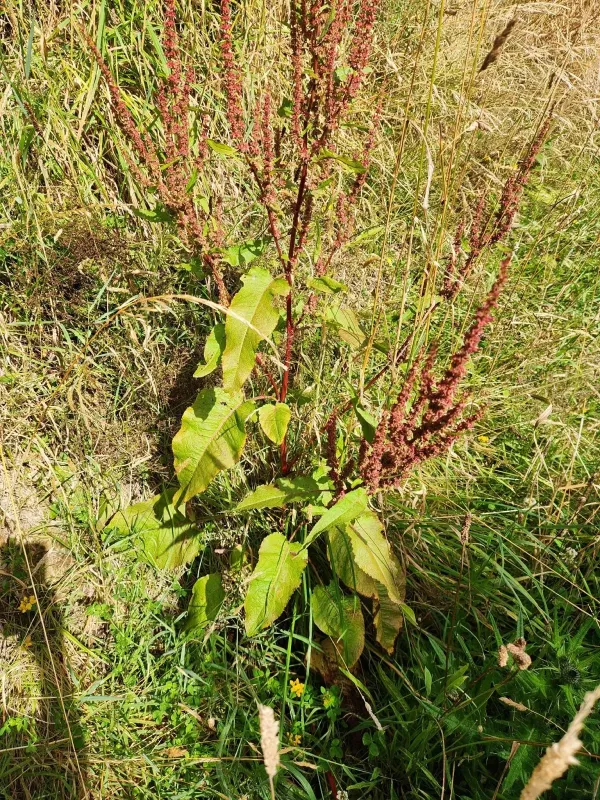
Broad-leaved dock (Rumex obtusifolius) is a persistent perennial plant belonging to the Polygonaceae family. It is widely recognized as a major weed in grasslands and pastures.
The plant reproduces primarily by seeds, which can remain viable in the soil seed bank for many years, germinating sporadically when conditions are favorable.
Seeds require moisture and contact with soil to germinate, typically occurring in early spring or late summer under temperate climate conditions.
Establishment is fast due to the development of a strong taproot, allowing the plant to compete effectively for water and nutrients.
Managing the seed bank is critical; preventing the plant from flowering is the primary method to stop further infestation.
Growing requirements
This species thrives in nitrogen-rich, moist soils. It is commonly found in fertile meadows, pastures, and disturbed land areas.
It is highly tolerant to various soil pH levels, but performs best in nutrient-dense environments, especially those rich in organic matter.
The plant has a robust root system capable of penetrating compacted soils, which helps it survive harsh environmental conditions.
Broad-leaved dock prefers open, sunny sites but shows remarkable adaptability to moderate shade within dense vegetation.
Nitrogen fertilization promotes the growth of this plant, often making it a dominant species in poorly managed, over-fertilized grasslands.
Main diseases and pests
The plant is susceptible to several insect pests, including the dock leaf beetle, which can cause significant defoliation during the growing season.
Fungal pathogens such as rust (Uromyces rumicis) and leaf spot diseases frequently affect the foliage, reducing plant vigor.
While relatively hardy, the plant can be impacted by root-feeding larvae if infestations are severe and sustained over time.
Powdery mildew may develop during humid periods, particularly affecting the lower leaves of the rosette.
Effective control often requires a combination of cultural practices, such as competitive planting, and selective herbicide application.
Harvesting
When intended for fodder, the plant should be harvested before the development of flowering stalks to ensure maximum protein content.
For edible consumption, harvest young, tender leaves in early spring before the plant reaches the bolting stage.
If the goal is weed eradication, frequent mowing or grazing management is required to deplete the carbohydrate reserves in the taproot.
Physical removal including the entire root is recommended for smaller patches to ensure the plant does not regenerate from fragments.
Post-harvest management should focus on reseeding the area with fast-growing, dense grasses to suppress dock re-establishment.