
Pseudocaryopteris
Pseudocaryopteris
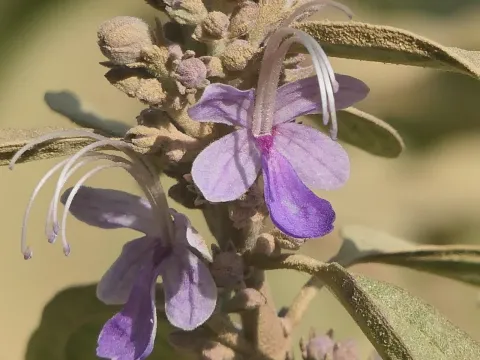
Pseudocaryopteris is a genus of deciduous shrubs that belongs to the Lamiaceae family. These plants are appreciated for their distinct foliage and graceful flower clusters, which are a hallmark of this genus.
What the section contains

Pseudocaryopteris
The native distribution of these plants is primarily in East Asia, encompassing regions in China and Japan. They are adapted to temperate climates and thrive best in environments where they receive ample sunlight while being protected from harsh environmental stressors.
Cultivation requires well-drained soil to prevent root issues, as the species is highly sensitive to waterlogged conditions. A fertile, neutral, or slightly alkaline substrate is ideal for promoting vigorous growth and healthy leaf development.
Routine maintenance includes consistent irrigation during dry spells, although the plants possess a moderate degree of drought tolerance once established. Pruning is essential for maintaining a compact and aesthetic structure of the shrub.
The plant serves primarily ornamental purposes, often used in borders or as focal points in garden landscapes. Its blooms are particularly effective in late summer, contributing to the biodiversity of the garden by attracting pollinators.
Fungal pathogens represent a primary threat, particularly when soil drainage is inadequate. Diseases such as root rot can occur if the moisture level around the root zone remains consistently high for extended periods.
Common pests include aphids and spider mites, which tend to infest the undersides of the leaves. These pests can cause significant leaf deformation and weaken the overall vitality of the plant if left unchecked.
Integrated pest management strategies are highly recommended for the health of the plant. Ensuring proper spacing between plants is crucial to encourage air circulation and reduce the incidence of fungal outbreaks.
Sanitation practices, including the removal of dead or infected branches, are vital for maintaining a healthy shrub. This reduces the reservoir of spores and slows down the transmission of potential infections.
When monitoring the plant, look for early signs of yellowing or distorted growth. Swift identification of these symptoms allows for more effective localized treatment, often avoiding the need for extensive chemical usage.