
Pseudocaryopteris foetida
Pseudocaryopteris foetida
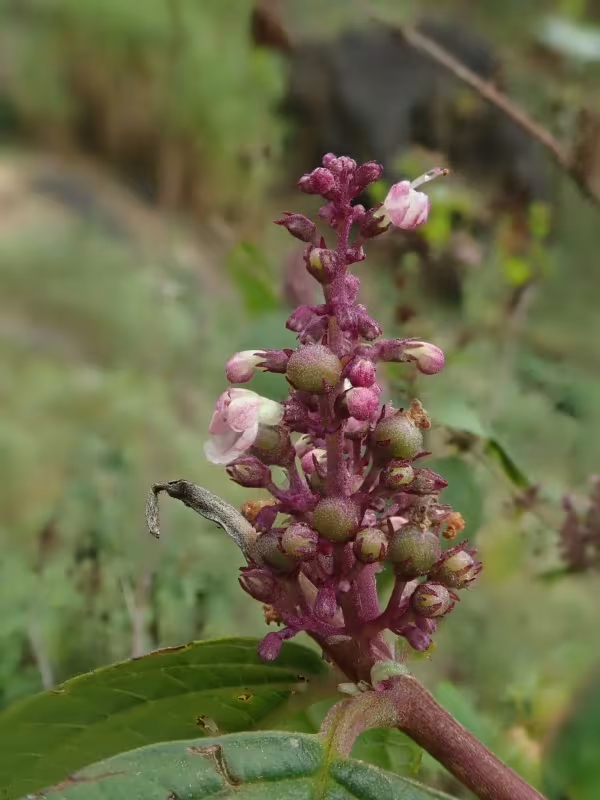
Description
Growing requirements
Pseudocaryopteris foetida is a deciduous subshrub belonging to the Lamiaceae family. Native to the mountain regions of East Asia, it is primarily grown for its aromatic foliage and attractive blossoms. The plant is adapted to temperate environments but requires careful site selection.
The plant thrives in full sun, which is necessary for optimal flowering and fragrance development. In hot climates, partial afternoon shade is recommended to protect the leaves from scorching. It requires well-drained soil with a neutral to slightly acidic pH level.
Adequate soil aeration is critical for the health of the root system. Heavy clay soils should be amended with organic compost or grit to prevent waterlogging, which is a major limiting factor for this species in agricultural settings.
Agronomic practices include regular irrigation during the growing season, especially during prolonged dry spells. Mulching around the base of the plant helps to conserve moisture and maintain a stable soil temperature, which is beneficial for root development.
In landscaping, it is used as a focal point in borders or as part of a mixed perennial display. The plant is also studied for its essential oil content, which gives the leaves their distinct, pungent, yet complex aromatic profile.
Main diseases and pests
Pathogens related to excessive soil moisture represent the primary threat to the crop. Root rot and collar rot can occur if drainage is insufficient, often leading to sudden wilting and death of the plant.
Insects like aphids and spider mites are common pests that colonize the foliage during the warmer months. These pests suck the sap from the leaves, causing yellowing and stunted growth if not managed promptly.
Integrated pest management strategies involve monitoring for signs of infestation and using biological control agents or targeted systemic insecticides when necessary. Maintaining good air circulation is essential to reduce the risk of mold.
Pruning is an effective management tool, as it helps remove damaged or infected wood and encourages the plant to produce healthy new growth. Proper sanitation, such as removing fallen leaves, helps prevent the overwintering of pathogens.
Regular inspection of the plant's health is recommended to catch infestations at an early stage. Providing the plant with adequate nutrients through controlled-release fertilizers ensures it remains vigorous enough to resist stress.