
Pycnanthemum virginianum
Pycnanthemum virginianum
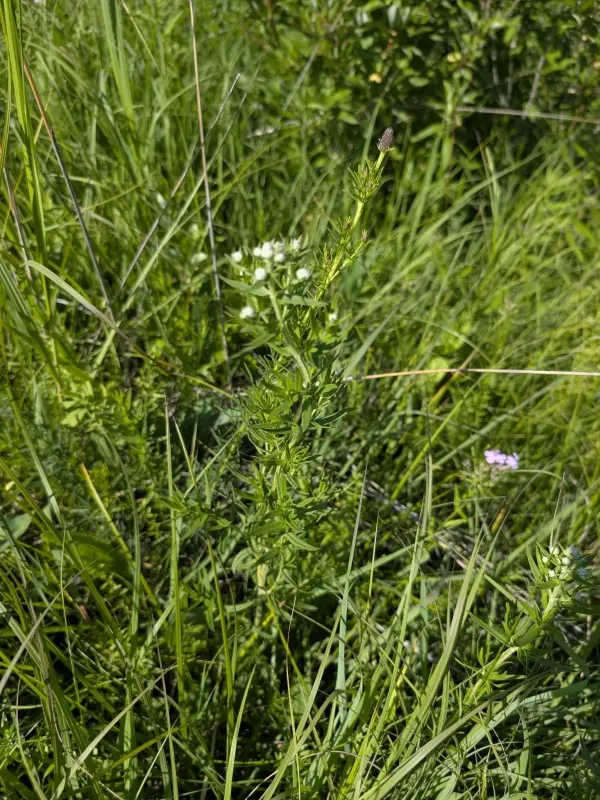
Description
Sowing dates
Sowing of Pycnanthemum virginianum is generally conducted in the spring when soil temperatures reach 10–15°C. The seeds require stratification, so sowing directly into the soil in early spring allows for natural dormancy breaking.
For container-raised seedlings, seeds are sown 6–8 weeks before the intended outdoor transplanting date. The growing medium must be lightweight and moisture-retentive for optimal germination.
Seeds should be covered with only a thin layer of soil, no more than 0.5 cm, as light is required for their germination. A light dusting of vermiculite can help maintain the necessary surface humidity.
Once seedlings have emerged, they should be pricked out into individual pots to avoid overcrowding. Transplanting to the permanent field site should only occur after the danger of frost has passed.
The recommended planting spacing is 30–45 cm between plants. This distance provides enough aeration for the foliage and helps reduce the incidence of moisture-related plant diseases.
Growing requirements
Pycnanthemum virginianum, commonly known as Virginia mountain mint, belongs to the Lamiaceae family. It is a hardy perennial native to North America, often found in moist meadows and prairies.
The crop performs best in fertile, well-draining loam soils. While it is adaptable to different soil types, maintaining a neutral pH is beneficial for consistent vegetative growth.
Full sun exposure is ideal for commercial cultivation. While the plant can tolerate partial shade, maximum sunlight is essential for the production of the essential oils that give the plant its characteristic fragrance.
Consistent soil moisture is vital for this species. During prolonged dry spells, irrigation systems are necessary to ensure the plants continue to thrive and produce a robust yield.
This perennial is known for its excellent cold hardiness, allowing it to survive harsh winters in temperate zones and return vigorously from its rhizomes in the following spring.
Yield
The harvestable portion of the plant consists of the aerial parts, primarily the leaves and flowering tops. Harvesting usually occurs during the peak of flowering to maximize oil concentration.
Yield depends heavily on soil fertility and plant density. With intensive management and regular irrigation, producers can expect multiple harvests during a single growing season.
As a highly attractive plant for pollinators, it serves a dual purpose in agricultural ecosystems, contributing to local biodiversity and supporting apiary operations near the fields.
The essential oil contains pulegone and other bioactive compounds, making it valuable for the cosmetic and food industries. Efficiency in harvesting and processing is key to maintaining quality.
To sustain high yields over several years, it is recommended to divide the rhizomes every 3–4 years. This rejuvenating practice keeps the plant population vigorous and productive.
Main diseases and pests
Excessive soil moisture is the primary threat to the health of Pycnanthemum virginianum, as it can lead to root rot. Proper drainage design is essential to prevent these fungal issues.
Powdery mildew may occur if planting density is too high, preventing proper air circulation. Maintaining the recommended spacing and keeping the area weed-free helps mitigate these risks.
Insects such as aphids and spider mites can attack the plants during hot, dry periods. These pests can reduce the plant's vitality and affect the quality of the essential oil produced.
Biological pest control methods are preferred, especially when the crop is intended for the food industry. Integrated Pest Management (IPM) strategies are highly effective for this perennial.
Competition from weeds is a significant challenge during the plant's establishment phase. Early-season weeding and the use of natural mulch are effective ways to protect the developing crops.
Harvesting
Harvesting is best carried out in the early morning hours, once the dew has evaporated but before the heat of the day causes essential oils to volatilize from the leaves.
Plants should be cut at the upper half or third of the stem. This encourages the plant to produce new shoots, ensuring rapid regrowth for subsequent cuts during the same season.
After harvesting, the plant material must be dried in a well-ventilated, shaded area. Avoid direct sunlight during the drying process to prevent the loss of aromatic compounds.
If the purpose is oil extraction, the biomass should be processed immediately after harvesting to prevent oxidation and the degradation of active chemical components.
Dried leaves should be stored in airtight containers in a cool, dark location. This ensures the potency and aroma are preserved for long-term storage and eventual sale.