
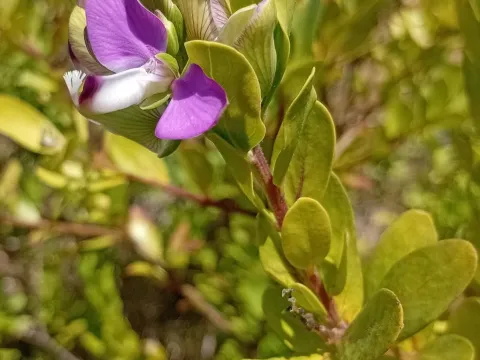
Polygala
Polygala L.
Polygala is a diverse genus of plants within the Polygalaceae family, comprising both annual and perennial species valued for their pharmaceutical properties.
What the section contains


Polygala
Seeds of Polygala often exhibit dormancy and low germination rates, making cold stratification for up to two months an essential pre-sowing practice.
Sowing should take place in late spring once the soil has sufficiently warmed, typically in late April or early May in temperate climates.
Given the tiny size of the seeds, they should be surface-sown or covered only by a very thin layer of fine soil to ensure adequate light exposure.
Commercial plantations often use seedling propagation to ensure uniform plant density and survival rates during the challenging initial growth phase.
This crop thrives in well-lit, sunny positions, although it can tolerate light shade during the hottest parts of the summer to prevent foliage scorch.
Well-drained soil is a strict requirement for Polygala; heavy, waterlogged clays will almost certainly lead to root rot and significant crop loss.
The ideal soil pH is neutral to slightly alkaline, which facilitates the optimal uptake of micronutrients necessary for the synthesis of plant saponins.
While the plants show moderate drought tolerance, consistent moisture levels during the vegetative growth cycle significantly boost root biomass.
Proper field preparation should include the incorporation of sand or organic matter to improve soil structure and facilitate easy root harvesting.
The primary agricultural output of Polygala consists of its roots, which are high in saponins and used extensively in the production of expectorant drugs.
Marketable yields vary, but successful cultivation practices can produce between 1 and 2 tons of high-quality dry roots per hectare under optimal conditions.
The highest yield of active medicinal compounds is found in plants during their second or third year of growth before they transition to reproductive senescence.
Green biomass collected during the flowering stage serves as a secondary harvest, providing additional value to growers interested in full-plant utilization.
Strategic crop rotation and periodic field rejuvenation are necessary to maintain high standards and the required pharmacological activity of the harvested material.
Root rot is the most serious threat to Polygala, primarily triggered by excessive irrigation or poor drainage during humid periods of the year.
Fungal issues like powdery mildew can affect the foliage in overcrowded plantings, necessitating early detection and targeted fungicidal treatments.
Aphids and spider mites are common pests that attack the plant in its early growth stages, potentially stunting development and reducing overall yields.
Weed management is critical during the first year of establishment as the plants are slow to develop and easily outcompeted by aggressive weeds.
An integrated pest management approach is recommended to protect the medicinal integrity of the crop while ensuring sustainable production levels.
Aerial parts are harvested during full bloom, as this is the period when the concentration of beneficial volatile oils and compounds is at its highest point.
After harvesting, the aerial biomass should be dried rapidly in shaded, ventilated environments to prevent mold growth and loss of quality.
Root harvesting is best performed in the autumn after the plant has entered dormancy, ensuring all energy has been relocated to the roots for storage.
Roots must be thoroughly cleaned, washed, and dried at temperatures not exceeding 50 degrees Celsius to preserve the delicate saponin content.
Final storage should be in clean, dry containers, protected from sunlight and humidity, to maintain the product's medicinal potency for pharmaceutical processing.