
Montpellier milkwort
Polygala monspeliaca
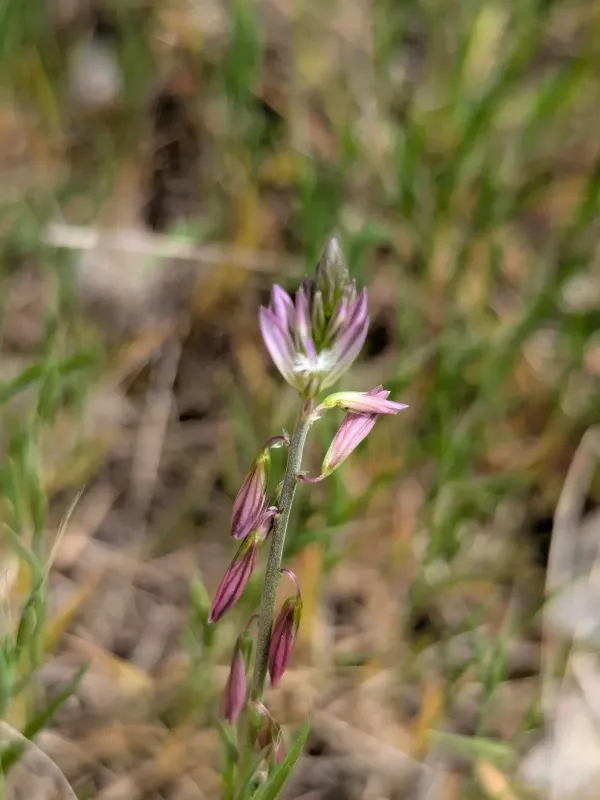
Description
Sowing dates
The Montpellier milkwort is an annual herbaceous plant that typically begins its development cycle in early spring. Sowing should be timed to follow the last frost, ensuring soil temperatures are at least 12-15 degrees Celsius.
Seeds are small and require a firm, level seedbed to ensure proper soil-to-seed contact. Surface sowing or covering with a very thin layer of soil is essential for optimal germination rates.
Adequate moisture is critical during the first three weeks post-germination. Growers should provide light irrigation if rainfall is insufficient to prevent the fragile root system from desiccating.
Planting density should be managed to avoid overcrowding, which can hinder the development of the taproot and reduce the overall health of the stand throughout the growing season.
Field preparation involves deep cultivation followed by light harrowing to break down soil clods, providing a uniform texture that facilitates the emergence of the crop.
Growing requirements
As a member of the Polygalaceae family, this species thrives in environments characterized by high light intensity. Open fields with direct sun exposure are essential for the production of consistent biomass.
Soil requirements focus on excellent drainage. The Montpellier milkwort performs poorly in waterlogged or heavy clay soils, showing a strong preference for calcareous, light-textured substrates.
The plant demonstrates natural drought tolerance; however, for maximum agricultural yield, a steady, moderate supply of water is required, particularly during the vegetative phase.
Nutrient management is straightforward, as the plant does not require heavy fertilization. Excessive nitrogen application should be avoided as it may promote lush foliage at the expense of root health.
Climatic adaptability is highest in Mediterranean-type climates, where the crop can fully utilize mild springs and warm, dry summers for optimal maturation.
Main diseases and pests
Fungal diseases, particularly those affecting the roots, are the most significant threats to productivity. These often arise due to poor drainage or high humidity around the base of the plant.
Pests such as aphids and leaf miners can cause localized damage, particularly in younger stages of development, affecting the photosynthetic capacity of the plants.
Integrated pest management strategies are recommended, focusing on maintaining field hygiene and utilizing biological controls where possible to manage insect populations.
Invasive weed competition is a critical issue, as the plant is relatively slow to establish in the early phases. Effective pre-emergent weed control is a necessary component of the agronomy.
Monitoring for signs of powdery mildew is recommended during periods of high moisture and cooler temperatures, as this can rapidly affect the quality of the harvested aerial parts.
Harvesting
Harvesting should occur when the plants are in full bloom to ensure the concentration of valuable phytochemicals is at its peak throughout the aerial plant parts.
Cutting operations are performed mechanically using a sickle bar mower or similar equipment, ensuring the cut is made cleanly to allow for potential regrowth if the climate permits.
Post-harvest management involves rapid drying. The material must be spread thinly in a shaded, well-ventilated area to prevent fermentation and discoloration of the leaves and stems.
Once dried to a moisture content of less than 12%, the crop can be baled or packaged for storage in cool, dry conditions to preserve its chemical profile for pharmaceutical or research purposes.
Regular inspection of the storage area is necessary to ensure that moisture ingress or pest contamination does not occur, maintaining the high quality of the final agricultural product.