
Myrtle-leaf milkwort
Polygala myrtifolia var grandiflora (lodd.) Hook.
Description
Growing requirements
The Myrtle-leaf milkwort (Polygala myrtifolia var grandiflora) is an evergreen shrub belonging to the Polygalaceae family. Native to South Africa, it thrives in warm, temperate climates where it can receive abundant sunlight throughout the day to support its vigorous flowering cycles.
In terms of soil requirements, this species demands well-drained, slightly acidic to neutral soil. It is intolerant of waterlogging, which often leads to rapid decay of the root system; thus, sandy or loamy textures are preferred to ensure that irrigation water moves away from the roots effectively.
The climate requirements make it a tender shrub, generally surviving temperatures down to -5°C. In regions with harsh winters, it is typically managed as a container plant, placed outdoors during the frost-free season and moved into a bright, cool greenhouse or glasshouse during the winter months.
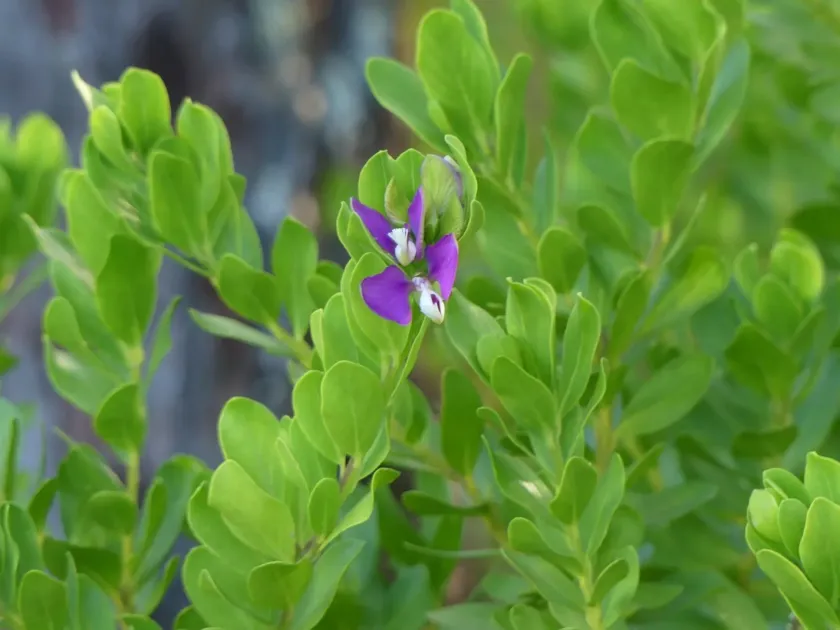
Botanically, the plant is characterized by its smooth, leathery leaves and striking butterfly-like flowers that bloom in terminal racemes. Its structural versatility allows it to develop into a dense, attractive shrub that retains its foliage year-round, adding consistent aesthetic value to any landscape.
Agriculturally and horticulturally, this plant is primarily utilized for ornamental purposes. It is frequently employed in coastal gardening, Mediterranean-style landscaping, or as a decorative specimen in large containers for patios and terraces where soil drainage can be strictly controlled.
Main diseases and pests
The plant is susceptible to various fungal diseases if kept in humid conditions with poor ventilation. Powdery mildew is the most common concern, manifesting as a white, dusty layer on the leaves, which can be managed by improving airflow and using appropriate systemic fungicides when necessary.
Common insect pests include aphids and spider mites, particularly when the plant is kept in greenhouse conditions. These pests tend to colonize the tender tips of new growth, so routine inspection and the application of insecticidal soaps or neem oil are essential for maintaining plant health.
Root rot, induced by over-irrigation, is a significant threat to the overall vitality of the shrub. Ensuring that the substrate is allowed to dry out slightly between waterings is the best cultural practice to prevent the development of pathogenic fungi within the root zone.
Nutrient deficiencies or improper soil pH can lead to chlorosis, where leaves turn yellow due to the inability of the plant to absorb iron or other micronutrients. Providing a balanced, slow-release fertilizer designed for acid-loving or neutral-soil plants usually resolves such nutritional imbalances.
To ensure long-term plant health, regular pruning is recommended to remove dead or diseased stems and to maintain an open canopy. This practice not only improves the shape of the plant but also significantly reduces the micro-habitat availability for potential pests and diseases.