
Polygala albida
Polygala albida
Description
Sowing dates
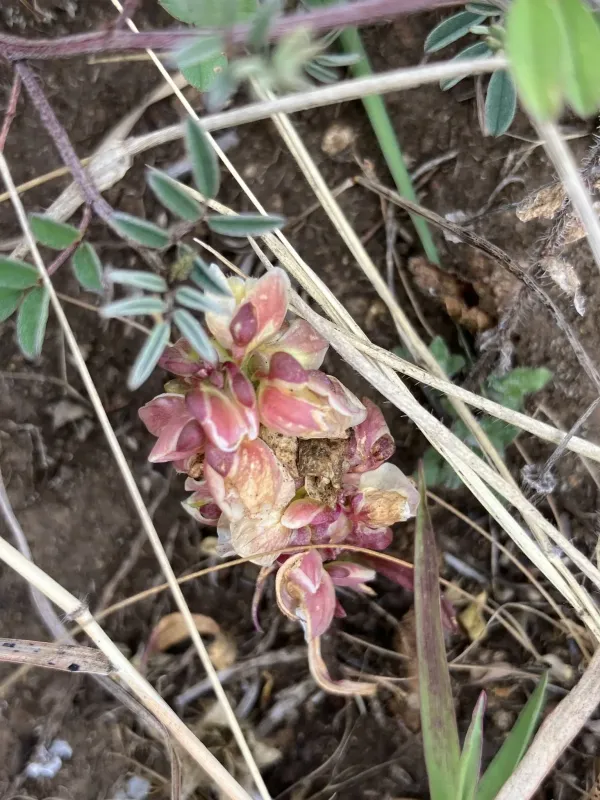
Polygala albida, known as white milkwort, belongs to the Polygalaceae family. It is a perennial herbaceous plant often found in arid and rocky regions, adapting well to specific ecological niches.
For successful cultivation, seeds require a period of stratification. Sowing is best performed in early spring, once the soil has warmed up, ensuring that the seeds are barely covered by a thin layer of substrate.
Proper seedbed preparation is vital for this crop, as the seeds are quite fine. The soil should be finely tilled and leveled to prevent seeds from being buried too deep, which would hinder emergence.
Row spacing is typically set at 45–60 cm to allow for proper airflow and mechanical maintenance. This spacing helps prevent the competition for nutrients and water between individual plants.
Initial irrigation is necessary to establish the crop, but after the seedlings are strong enough, the irrigation schedule can be reduced to encourage deep root system development.
Growing requirements
The plant thrives in well-drained, porous soils. It is highly susceptible to root rot caused by waterlogging, so selecting a location with a slight slope or excellent drainage is crucial for success.
Sunlight is a key factor for the growth of Polygala albida. It requires full exposure to the sun for most of the day to reach its full productive potential and maintain its chemical composition.
Polygala albida exhibits good tolerance to drought once established. However, during the first year of growth, consistent moisture monitoring is necessary to ensure the plant reaches maturity.
The soil should have a neutral to slightly alkaline reaction. If the soil is too acidic, liming should be performed well in advance of the planting season to adjust the pH level to a suitable range.
Nutrient requirements are moderate. Applying a balanced fertilizer with higher proportions of phosphorus and potassium during the spring helps in developing a strong and healthy root system.
Main diseases and pests
Root pathogens are the primary concern for Polygala albida growers. Excessive soil moisture combined with poor drainage is the most common cause of crop loss due to fungal infections.
Aphids and mites can become a problem, particularly during hot and dry spells. Regular inspection of the leaves and stems is required to identify and treat infestations before they spread.
Powdery mildew may occur if the planting density is too high, preventing proper ventilation between the rows. Maintaining proper spacing and removing weeds are essential management practices.
Integrated pest management, focusing on biological control agents, is recommended to keep the harvested raw material free from harmful chemical residues, which is essential for medicinal use.
Proper field hygiene, including the removal of dead plant debris at the end of the season, helps reduce the risk of pathogen overwintering and ensures a healthier crop for the following year.
Harvesting
The harvesting process primarily targets the roots of the plant. The most efficient time for harvesting is during the plant's dormancy period, typically in the late autumn of the second or third year.
Mechanical harvesting should be carried out carefully to avoid damaging the root system. Clean, intact roots contain the highest concentration of saponins, which are the main active ingredients of the crop.
Once harvested, the roots should be cleaned thoroughly with water to remove any soil particles. It is recommended to perform this step quickly to prevent the degradation of soluble active compounds.
Drying must be conducted in controlled conditions at temperatures not exceeding 50 degrees Celsius. Excessive heat during drying can lead to the loss of essential plant compounds.
After reaching the appropriate moisture content, the final product should be stored in airtight containers in a cool, dark, and dry area to ensure a long shelf life and consistent quality for processing.