
Box-leaved milkwort
Polygala chamaebuxus L.
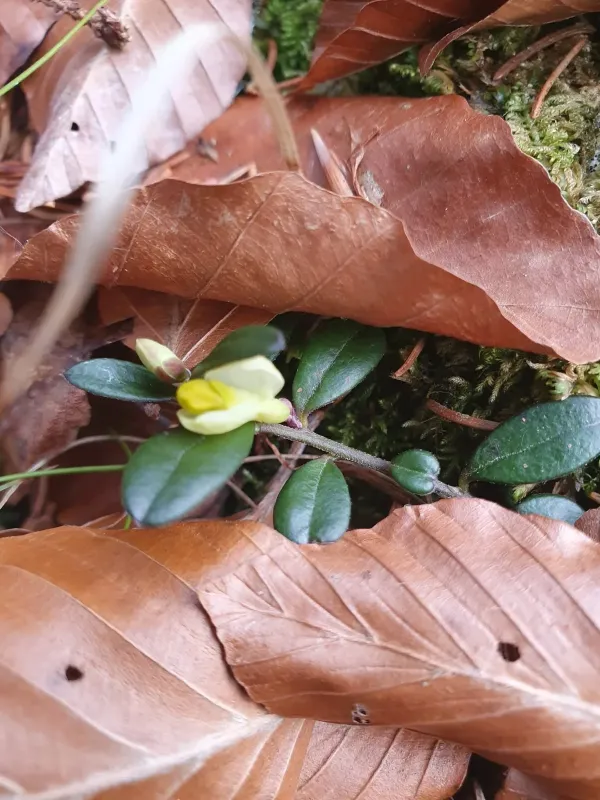
Description
Growing requirements
Box-leaved milkwort (Polygala chamaebuxus L.) is an evergreen subshrub belonging to the Polygalaceae family. Native to the mountainous regions of Central and Southern Europe, it is well-adapted to rocky habitats and alpine meadow conditions.
The plant is known for its small, leathery, box-like leaves and attractive, butterfly-shaped flowers. The blooms typically display a unique color transition, often starting yellow and turning reddish-purple, providing visual interest throughout the spring season.
Successful cultivation requires well-drained, acidic to neutral soil. Because it is highly susceptible to root decay, planting in heavy clay soils should be avoided unless the site is heavily amended with grit or perlite to improve drainage.
In terms of climate, the species prefers cool, airy environments. It performs best in partial shade, where it is shielded from the intense heat of the afternoon sun, which can scorch the foliage and reduce the vigor of the plant.
The primary use of box-leaved milkwort is in specialized rock gardens, scree beds, and stone troughs. Due to its slow growth rate and creeping habit, it serves as an excellent ground cover for small-scale landscape projects.
Main diseases and pests
The most critical threat to Polygala chamaebuxus is root rot caused by stagnant water. Gardeners must ensure that the planting site has excellent drainage, especially during the wetter months of the year, to keep the roots healthy.
Aphids are the most common insect pests that infest this shrub. These pests colonize the stems and young growth, sucking plant sap and potentially transmitting viral diseases, which can weaken the overall structure of the bush.
Spider mites can also cause significant damage during periods of high heat and low humidity. Their feeding leads to stippling on the leaves and can result in defoliation if left untreated, requiring timely application of appropriate miticides.
Fungal leaf spots can occur when the foliage remains damp for prolonged periods. To mitigate this risk, it is important to water the soil directly and avoid overhead irrigation that keeps the leaves wet unnecessarily.
Regular maintenance, including the removal of dead or crossing branches, is essential to promote good airflow. This simple practice significantly decreases the likelihood of fungal outbreaks and helps maintain the aesthetic appeal of the plant.