
Myrtle-leaf milkwort
Polygala myrtifolia L.
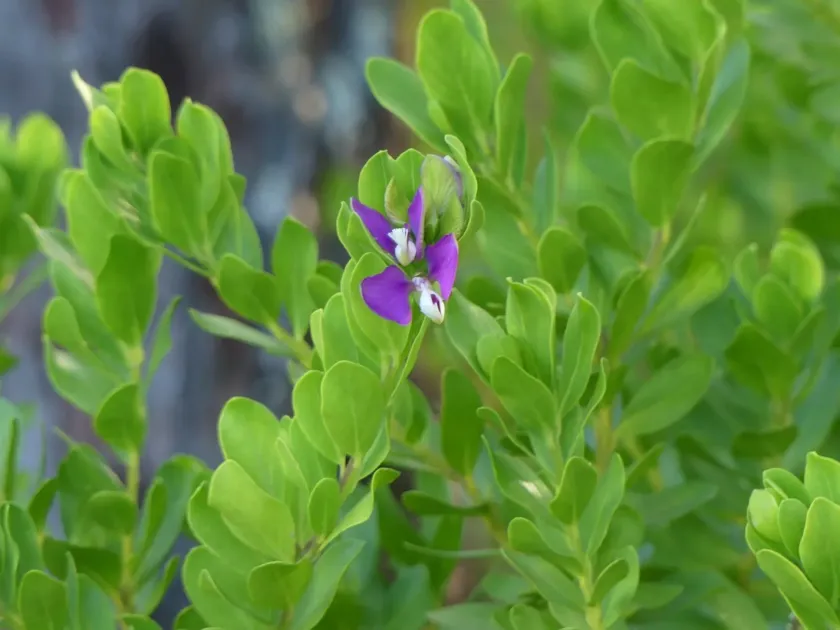
Description
Growing requirements
Myrtle-leaf milkwort (Polygala myrtifolia) is an evergreen perennial shrub belonging to the Polygalaceae family. Originating from the coastal regions of South Africa, it is widely recognized for its robust growth and striking purple-pink flower spikes.
The plant thrives in well-drained, slightly acidic to neutral soil types. It is essential to ensure that the site has optimal sunlight exposure, as the species requires plenty of light to maintain its dense foliage and prolific blooming habit.
In terms of climate, it prefers mild, frost-free environments. In regions with colder winters, it is commonly kept in containers and moved indoors or into greenhouses to prevent cold damage, as it is not tolerant of prolonged freezing temperatures.
Watering requirements should be strictly monitored; the soil should remain moist but never waterlogged. Incorporating organic matter during the planting stage provides the necessary nutrients for sustained growth throughout the active season.
The primary use of this culture is in ornamental gardening. It is frequently employed as a hedging plant, a feature shrub in borders, or as an attractive focal point in container gardens due to its year-round evergreen presence.
Main diseases and pests
The most common pests affecting Polygala myrtifolia are spider mites and mealybugs. These pests are particularly prevalent in low-humidity conditions, which can stress the plant and make it more susceptible to infestation.
Root rot is the most significant disease threat, typically caused by poor drainage or excessive watering. Once the root system begins to decay, the entire plant may decline rapidly, making preventative soil management critical.
Fungal leaf spots can occur when there is poor air circulation around the canopy. Pruning the plant to maintain an open structure is an effective way to improve airflow and reduce the presence of pathogens.
Nutrient deficiencies, particularly iron chlorosis, can manifest as yellowing leaves while the veins remain green. Correcting the soil pH or applying chelated iron supplements often resolves this issue efficiently.
Regular maintenance, including the removal of dead or crossing branches, ensures that the plant remains vigorous. A healthy plant is significantly more resilient to environmental stressors and typical insect attacks.