
Polygala senega
Polygala senega L.
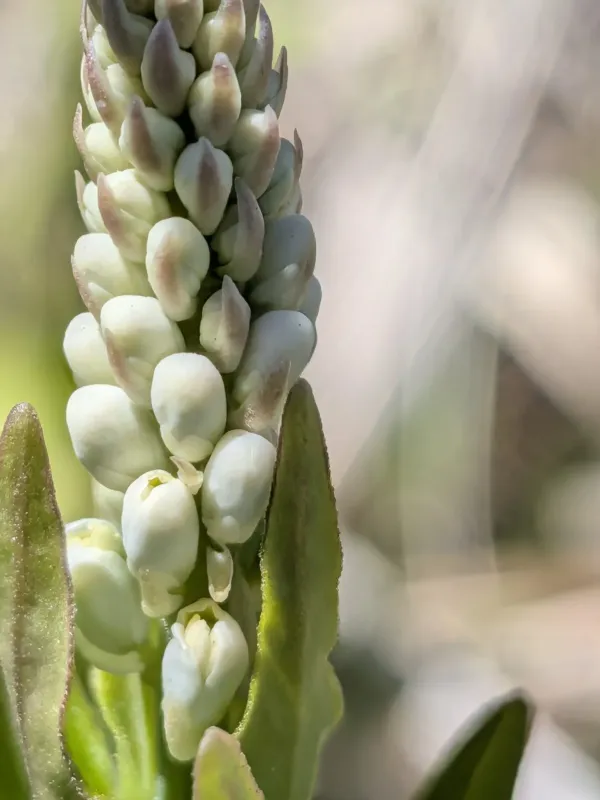
Description
Sowing dates
Sowing of Polygala senega is typically performed in the spring or late autumn using seeds that have undergone a stratification process. Due to the inherent dormancy of the seeds, exposure to fluctuating temperatures is essential to stimulate germination and ensure uniform field emergence.
The seeds should be sown at a shallow depth of 0.5 to 1 centimeter in well-prepared, fine-textured soil. Maintaining consistent soil moisture during the germination phase is critical, as the small seeds are highly susceptible to desiccation at the surface level.
In large-scale farming, row planting with a spacing of up to 45 centimeters between rows is recommended. This layout facilitates mechanical weeding and soil aeration, which are vital for the plant's development during the first year of growth.
Germination can be slow, often taking several weeks to occur. Early-stage management involves frequent inter-row cultivation to break any surface crust, ensuring that the seedlings do not struggle to emerge under compacted soil conditions.
The target density for this crop is approximately 10 to 12 plants per linear meter of row. Thinning should be performed to prevent overcrowding, allowing each plant sufficient access to soil nutrients and sunlight, which are necessary for developing a strong root system.
Growing requirements
Polygala senega belongs to the Polygalaceae family and is a perennial herb native to North America. It thrives in moderately moist, well-drained loamy or sandy soils that are rich in organic matter, with a neutral to slightly acidic pH balance.
As a light-loving species, this crop requires open areas with full sun exposure to maximize the accumulation of triterpene saponins in its roots. Shading or competition from taller vegetation can significantly reduce the yield and quality of the medicinal harvest.
The plant is sensitive to waterlogging, making proper field drainage a prerequisite for success. Excess moisture in the root zone often leads to root rot, especially in heavy clay soils that lack sufficient aeration.
While the plant is hardy, it requires protection from severe cold winds during the winter months, especially in the northernmost regions of its cultivation. Adding a thin layer of mulch can help protect the roots from extreme temperature fluctuations.
Soil preparation before planting should include the incorporation of compost or well-rotted organic matter. Because the plant relies on a deep taproot, maintaining a loose and permeable soil structure is essential for optimal root elongation and expansion.
Yield
The primary commercial product of Polygala senega is its root, which is valued for its expectorant properties. It generally takes at least three years of active growth to reach the desired harvestable stage where saponin concentration is highest.
Yields of dried roots typically range from 0.8 to 1.5 metric tons per hectare, depending on soil fertility, moisture availability, and the success of weed management strategies throughout the plant's life cycle.
The most significant root mass accumulation occurs between the second and third years of life. Harvesting the roots prematurely often results in a lower concentration of bioactive compounds, making the third-year mark the optimal time for harvest.
Quality control is based on the chemical content and physical integrity of the roots. Proper handling after harvest, including immediate cleaning and drying, is necessary to prevent degradation of the active ingredients contained within the plant tissues.
Storage of the finished product requires cool, dry, and well-ventilated conditions to maintain long-term stability. The roots should be kept away from direct light and moisture to prevent the development of mold or loss of pharmacological potency.
Main diseases and pests
The main threat to Polygala senega plantations is root rot, which typically develops under conditions of poor drainage or excessive soil moisture. Preventing this involves ensuring optimal soil structure and avoiding low-lying areas prone to water stagnation.
Soil-dwelling pests, such as wireworms and white grubs, can cause extensive damage by feeding on the taproot of young plants. Integrated pest management strategies, including crop rotation, are essential to minimize these risks.
Weeds pose a significant challenge during the initial growth phase when the plant is establishing itself. Because it develops slowly, even minor weed infestations can outcompete the crop for sunlight, water, and essential nutrients.
Aphids can also colonize the foliage during hot, dry spells, weakening the plant by draining its vital juices. Monitoring for early signs of infestation and applying targeted measures is recommended to maintain plant health throughout the season.
Good agricultural practices, such as consistent cultivation and maintaining plant vigor through appropriate soil management, serve as the best defenses against pathogens. Healthy, well-nourished plants are generally more resilient to environmental and biological stressors.
Harvesting
Harvesting takes place in the fall, after the foliage has begun to senesce and die back. This timing ensures that the energy and chemical compounds have been fully translocated from the leaves to the roots, maximizing the harvest quality.
Specialized digging equipment is used to lift the roots from the soil, ideally penetrating to a depth of 30 to 40 centimeters to avoid snapping the long taproots. Minimizing physical damage during extraction is crucial for processing efficiency.
Post-harvest steps include immediate washing to remove soil and debris, followed by the removal of any remaining stalk fragments. Cleanliness is paramount for meeting the standards required by pharmaceutical processors.
Drying is performed at temperatures not exceeding 45 degrees Celsius using forced-air dryers or shaded, ventilated facilities. Rapid but even moisture removal is necessary to lock in the pharmacological activity and preserve the root's appearance.
Once dried to the required moisture content, the roots are sorted by size and quality. Final packaging typically involves moisture-resistant materials to ensure the raw herb reaches manufacturers in prime condition for further extraction or processing.