

Atonik Plus
«Аріста ЛайфСайенс С.А.С.» , Франція
Plant Growth Regulators
0
0
·
89
2 offers
92.16 €per 1 l
Buy
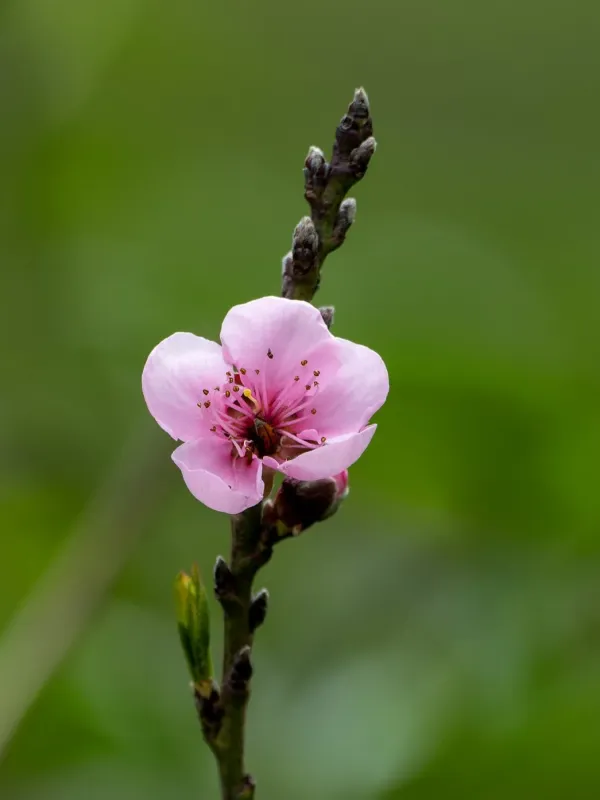
The peach (Prunus persica) belongs to the Rosaceae family. It is a temperate to subtropical deciduous tree, originally native to Northwest China and now cultivated globally.
Peaches thrive in well-drained, sandy loam soils with a slightly acidic to neutral pH. They require deep soils and are sensitive to waterlogged conditions, which can lead to root rot.
The climate must provide a sufficient chilling requirement during winter for proper dormancy, while the growing season must be warm and sunny for fruit development.
Cultivation requires regular pruning to manage the tree's vigor and promote the growth of fruiting wood, as peaches bear fruit on one-year-old shoots.
Commercially, peaches are processed into canned goods, juices, jams, and preserves, while also serving as a major fresh-market fruit product.
The most devastating diseases affecting peaches include leaf curl, shothole blight, powdery mildew, and brown rot, which necessitate systematic fungicide application.
Major pests include the oriental fruit moth, aphids, mites, and scale insects, which can severely reduce both tree health and fruit quality if not controlled.
While pests such as the greenhouse whitefly, cabbage white butterfly, pyralid moths, gall midges, grape phylloxera, meadow moth, and European corn borer are not primary peach pests, they may occasionally impact orchard environments.
Integrated pest management (IPM) practices, including biological control agents and monitoring with traps, are recommended to minimize ecological impact.
Proper sanitation, including the removal of mummified fruits and diseased branches, is vital to reducing the survival of pathogens during the winter months.
Harvesting peaches is a delicate process performed manually as the fruit reaches specific maturity stages determined by color development and fruit softening.
The harvest period typically lasts for several weeks, necessitating multiple pickings to ensure that every fruit is harvested at the peak of quality.
For fresh markets, fruit is picked while firm to withstand handling and transport; for processing, fruit may be left on the tree slightly longer for maximum flavor.
Orchard yields depend heavily on climate, cultivar, and tree management, with mature orchards capable of producing significant volumes of high-quality stone fruit.
Post-harvest storage requires immediate temperature management to lower the fruit's respiration rate, thereby preventing rapid spoilage and maintaining sweetness.


