
Amur chokecherry
Prunus maackii Rupr.
Description
Growing requirements
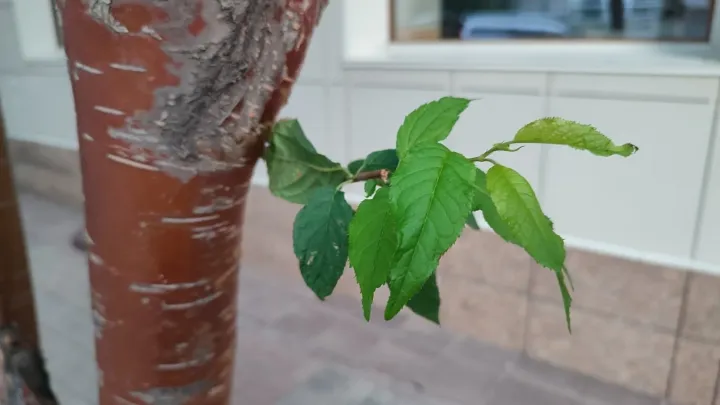
The Amur chokecherry (Prunus maackii Rupr.) is a deciduous tree belonging to the Rosaceae family. It is native to the forests of East Asia, specifically the Amur River region, and is highly valued for its striking, exfoliating, amber-colored bark.
This species thrives in temperate climates and is exceptionally winter-hardy, capable of surviving severe frost. It requires full sunlight to achieve optimal growth and develops poorly in heavily shaded or dense woodland environments.
Soil preferences include deep, fertile, and well-drained loam. While it is relatively adaptable, it dislikes waterlogged or extremely boggy soils. Improving soil structure through organic amendments is beneficial for young trees during the establishment phase.
Management practices for this culture include consistent irrigation during dry periods and moderate fertilization. The tree is known for its vigorous growth rate and ability to withstand urban environmental stressors, making it a staple in landscaping.
Economically, the tree is utilized for landscape architecture, erosion control in forest plantations, and as a significant source of nectar for pollinators. Its wood is dense and durable, sometimes utilized in specialty timber production.
Main diseases and pests
Although the Amur chokecherry is generally robust, it may be susceptible to fungal diseases such as leaf rust or powdery mildew if exposed to prolonged humidity and poor air circulation. Proper spacing during planting is critical for disease management.
Common pests include leaf-eating insects, such as aphids, mites, and various types of caterpillars. These pests can damage the foliage and, if left uncontrolled, may lead to premature leaf drop and stunted annual growth cycles.
Control strategies for diseases involve using appropriate fungicides during the early spring growth flush. For pest management, systemic insecticides should be applied according to local agricultural regulations and integrated pest management (IPM) standards.
Sanitation practices play a major role in keeping the trees healthy. This includes raking and destroying fallen leaves in the autumn to eliminate overwintering sites for fungal spores and insect eggs that could compromise the tree's health.
Monitoring for early signs of infestation, such as discolored leaves or abnormal bark lesions, allows for targeted interventions. A healthy, well-nourished tree typically exhibits strong natural defenses against most minor environmental pests and diseases.