
Orbea
Orbea
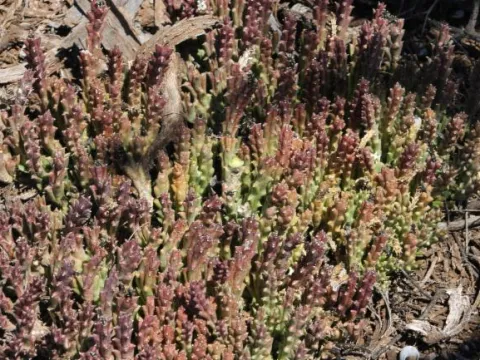
Orbea is a genus of succulent plants belonging to the Apocynaceae family. These plants are well-known for their fleshy, ribbed, and often leafless stems, which serve as water storage organs in arid environments.
What the section contains


Orbea
The native range of the genus includes dry regions of Southern Africa. As a horticultural crop, Orbea is prized by succulent collectors for its unique, star-shaped flowers that often feature intricate patterns and hair-like structures.
Cultivation requires bright, indirect light to maintain plant vigor and encourage flowering. Excessive direct sunlight may scorch the stems, while inadequate light often leads to etiolation, where the stems stretch and become weak and discolored.
The potting medium must be highly porous and fast-draining. A typical mix consists of standard succulent compost amended with perlite, grit, or pumice to ensure that water passes through quickly, preventing the roots from staying wet for too long.
The primary use of Orbea is decorative. It is popular in rock gardens within suitable climates or as an indoor potted plant. It requires a distinct dry period during the winter months to prepare the plant for the spring and summer growing season.
Overwatering is the primary threat to Orbea, frequently resulting in root rot or base stem rot. Symptoms include yellowing or mushy stems, which indicate that the plant is struggling to process the moisture present in the soil medium.
Pests such as mealybugs represent a significant problem, as they hide in the crevices of the ribbed stems. Spider mites can also infest the plants, particularly if the surrounding atmosphere is consistently dry and stagnant with poor airflow.
Control measures involve regular inspection of the stems. If pests are detected, targeted application of neem oil or insecticidal soap is recommended. For small infestations, manual removal with a cotton swab soaked in isopropyl alcohol is often sufficient.
To prevent disease, maintain a strict watering schedule where the soil is allowed to dry out completely between sessions. Ensure the pot has adequate drainage holes and that the environment has good ventilation to reduce humidity levels around the foliage.
Fungal infections can occur if the plant remains damp in cool temperatures. If spots or mold appear, isolate the plant immediately, remove the affected areas, and treat the remaining parts with a fungicide suitable for succulent care.