
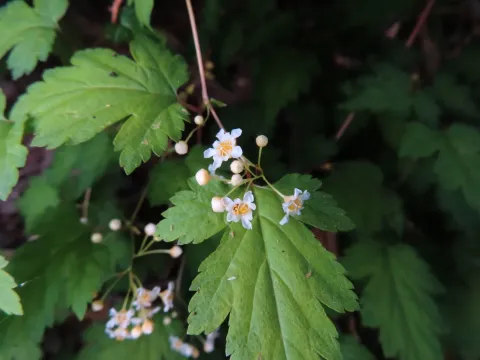
Neillia
Neillia
Neillia is a genus of deciduous shrubs belonging to the Rosaceae family. These plants are widely appreciated for their graceful, arching branches and spikes of small, bell-shaped flowers that appear in late spring or summer.
What the section contains
 Neillia
 hybrids
Neillia
Neillia hybrids
 Neillia affinis
Neillia affinis
Neillia affinis
 Neillia incisa
Neillia incisa
Neillia incisa
 Neillia longiracemosa
Neillia longiracemosa
Neillia longiracemosa
 Neillia rubiflora
Neillia rubiflora
Neillia rubiflora
 Neillia sinensis
Neillia sinensis
Neillia sinensis
 Neillia tanakae
Neillia tanakae
Neillia tanakae
 Neillia thibetica
Neillia thibetica
Neillia thibetica
 Neillia thyrsiflora
Neillia thyrsiflora
Neillia thyrsiflora
Neillia
Native to temperate regions of East and Southeast Asia, including parts of China and the Himalayas, Neillia thrives in woodland environments. In a garden setting, it performs best in positions that offer partial shade and protection from harsh winds.
The soil requirements for this culture involve well-drained, fertile, and humus-rich conditions. It is essential to maintain consistent soil moisture, as the plant does not tolerate prolonged drought or extreme soil compaction.
Cultivation success depends on providing a sheltered site, particularly in colder climates. While established specimens are relatively hardy, the young growth can be susceptible to late spring frosts, which may damage the flower buds.
Routine maintenance includes annual pruning of older, woody stems to encourage fresh, vigorous growth. This practice ensures the shrub maintains its decorative form and produces abundant blooms each season.
Neillia is generally resilient, but it can be susceptible to common fungal pathogens if the growing environment is poorly ventilated or excessively humid. Powdery mildew is the most frequently observed issue, manifesting as white coatings on the leaves.
Insect pests, such as aphids, can occasionally infest the succulent new growth during the spring. These pests cause minor aesthetic damage, but heavy infestations can weaken the plant and stunt its development.
Cultural control methods, such as removing fallen leaves and pruning congested branches, are highly effective in reducing the risk of disease spread. Good airflow is the primary defense against most fungal threats to this shrub.
If chemical interventions are necessary, the use of targeted fungicides or mild insecticides is recommended. Always check for specific local regulations regarding the application of plant protection products.
Maintaining high plant vigor through correct fertilization and irrigation is the best strategy for prevention. A healthy, well-fed plant is significantly more capable of resisting various stressors and pests throughout its life cycle.