
Neillia sinensis
Neillia sinensis
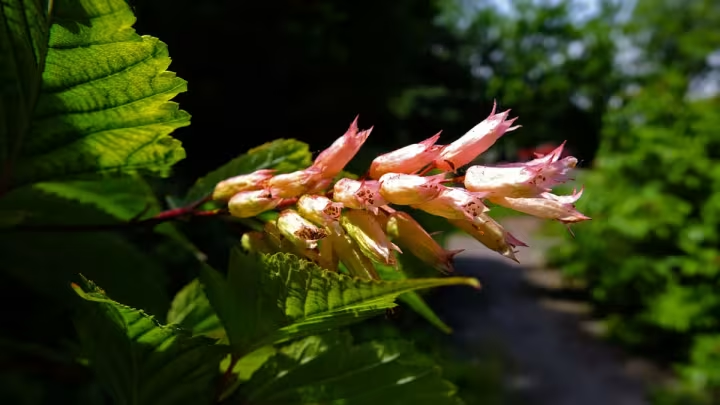
Description
Growing requirements
Neillia sinensis is an ornamental deciduous shrub belonging to the Rosaceae family. It is prized for its elegant, arching branches and beautiful pink, bell-shaped flowers that bloom in pendulous racemes during late spring and early summer.
Originating from the mountainous forests of China, this shrub thrives in regions with temperate climates. It is highly valued in landscape architecture for its graceful habit and ability to provide seasonal interest in mixed borders or woodland-style gardens.
The plant requires well-drained, fertile soil enriched with organic matter. While it tolerates a variety of soil types, it performs best in slightly acidic to neutral environments that retain adequate moisture without becoming waterlogged.
Exposure requirements include full sun to partial shade. In warmer climates, some protection from intense afternoon sun is beneficial, while in cooler regions, a sunny position is necessary to ensure optimal flower production and wood ripening.
Maintenance involves routine watering during establishment and periods of drought. Pruning should be carried out immediately after flowering to remove old wood and encourage the development of new, vigorous stems for the following season.
Main diseases and pests
Neillia sinensis is generally robust and relatively free from serious pest and disease problems. Its primary requirement for health is good air circulation, which prevents most fungal issues from occurring in the dense foliage.
Root rot can be a significant threat if the shrub is planted in heavy, poorly drained soil. Ensuring that the planting site has a high-quality drainage system is essential for the long-term survival and vigor of the plant.
Occasional infestations of aphids or spider mites may occur during hot, dry weather conditions. These are usually controlled effectively with a strong spray of water or by applying insecticidal soaps if the population levels become problematic.
Powdery mildew might appear on the leaves during periods of high humidity and poor ventilation. Keeping the plant properly pruned to allow air to pass through the center of the shrub is the best cultural defense against this condition.
Monitoring the plant for signs of stress is recommended throughout the growing season. Early detection of pests or nutrient deficiencies allows for swift intervention, ensuring that the shrub maintains its high ornamental value year after year.